Nedlands Council Grapples with $27 Million Financial Crisis Ahead of Election
As the City of Nedlands approaches a full-spill election next month, the government-appointed commissioners have revealed a staggering $27 million financial shortfall that threatens the local government's stability. With the election set for March 28, the commissioners are preparing to transfer responsibility to a new council, but the absence of a clear funding strategy or long-term financial plan leaves the community facing significant uncertainty.
Uncovering Years of Neglect and Dysfunction
The depth of Nedlands' troubles became publicly apparent last Thursday when a comprehensive report detailed widespread financial and management failures. Interim Chief Executive Officer Arthur Kyron, who assumed the role in October after his predecessor Keri Shannon departed, compiled the alarming document. "I wasn't aware of the full extent of the issues that this city was facing," Mr Kyron admitted. "Each day things didn't get better, each day things got worse."
The report exposed multiple critical problems that had accumulated over years:

- Long-neglected infrastructure requiring urgent repairs
- Weak financial controls and oversight mechanisms
- Historical staff underpayments creating substantial liabilities
- A fractured workplace culture marked by toxicity and dysfunction
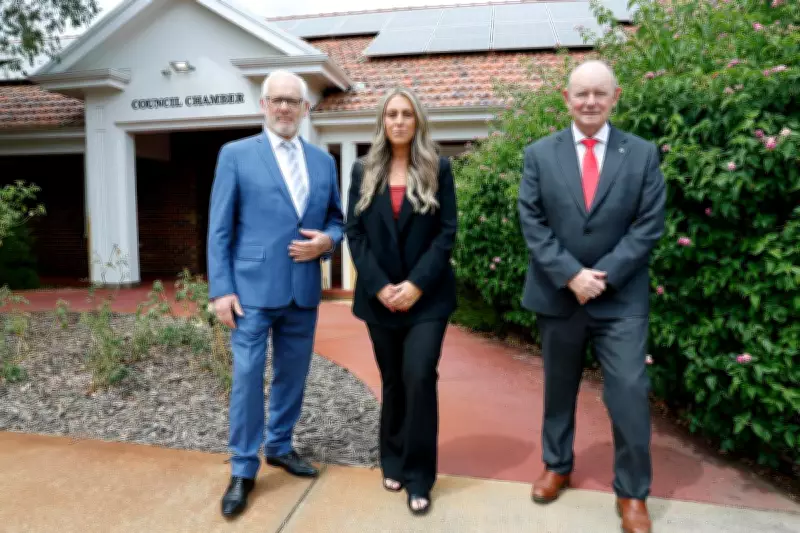
Commissioner David Caddy explained that a rotten relationship between the former council and administration had prevented transparency about these issues. "There was dysfunction in the elected members, and, dare I say, some dysfunction in the staff," Mr Caddy stated. "There was really no interaction between the two apart from what was necessary to keep the doors open."
Staff Exodus and Workplace Culture Crisis
The organization suffered devastating staff losses during 2024-25, with 64.4 percent turnover seeing 115 of 178 employees depart. This exodus stripped the city of crucial institutional knowledge and experience. Later that year, four of nine councillors resigned simultaneously, citing a "toxic working environment."
A December psychosocial survey revealed disturbing staff experiences, including being:
- Accused of bias without justification
- Directed to write reports contrary to professional judgement
- Having reports altered without their input
- Feeling unacknowledged for their work
- Experiencing overall feelings of unsafety within the organization
Commissioner Bianca Sandri noted that reducing turnover to the current 17.5 percent had been a top priority. "Any good functioning local government has a good relationship between their administration and their elected members. It is necessary," she emphasized.
Immediate Community Impacts and Future Challenges
The financial crisis has already affected residents directly, with the city forced to immediately close four playgrounds after safety inspections found them unfit for use:
- Charles Court Reserve
- Melvista Park
- Hollywood tennis reserve
- Harris Park
The $27 million shortfall represents a combination of infrastructure repairs, growing annual budget deficits, and historical staff underpayments. Mr Kyron warned that this deficit cannot be resolved in a single budget cycle and will require years to address, raising serious questions about the city's long-term financial viability.
"At this stage, it's hard to say what our final position will be at the end of the year, because we're still, believe it or not, in some discovery mode... discovering what we've got and what we haven't got," Mr Kyron conceded.
Election Approaches with Daunting Task Ahead
On Thursday night, commissioners presented their confronting findings to prospective council candidates, offering a blunt warning about the scale of the work required. Commissioner Caddy stressed the seriousness of the situation: "There is a lot of work that needs to be done. The remediation of this city needs to be taken very seriously."

As of Tuesday, six candidates had nominated for positions, with only one contender for mayor. Among them is former councillor Ben Hodson, who participated in the mass resignations of 2025. The incoming council will face difficult decisions about how to address the financial gap, potentially through:
- Rate increases affecting all property owners
- Service reductions impacting community programs
- Asset sales of city-owned properties
Mr Kyron explained the difficult balancing act ahead: "They will need to consider... what is it that they want to deliver for the community? What can they reasonably deliver, considering what this report says, and then that will determine what that rate increase might be."
Cautious Optimism Among Residents
Despite the alarming revelations, some residents express cautious optimism about the transparency finally being provided. Nedlands resident Rebecca Comac acknowledged the confronting scale of problems but saw potential for positive change. "Obviously, the awful thing as a ratepayer is thinking about the wasted money and the huge amount of work that now needs to be done," she said. "But I do feel hopeful, and I would hope the report encourages more capable people to stand for the upcoming election."
Ms Comac, who had engaged with the former council during the Perth Royal Croquet Club closure, noted that the findings validated concerns she had raised previously. However, she emphasized the need for accountability: "While I think it's important to move forward and get the best service we can now for Nedlands, it also feels like there should be some accountability for what's happened — some kind of closure."
The commissioners expressed confidence that their appointment had been justified, with Mr Cadding adding: "The way that I look at it, it means that we are having a positive impact. So that the minister was correct in appointing the commissioners, and the benefit has flowed on from there." As Nedlands prepares for its democratic renewal next month, the community watches anxiously to see whether the new council can navigate the formidable challenges ahead and restore stability to their local government.