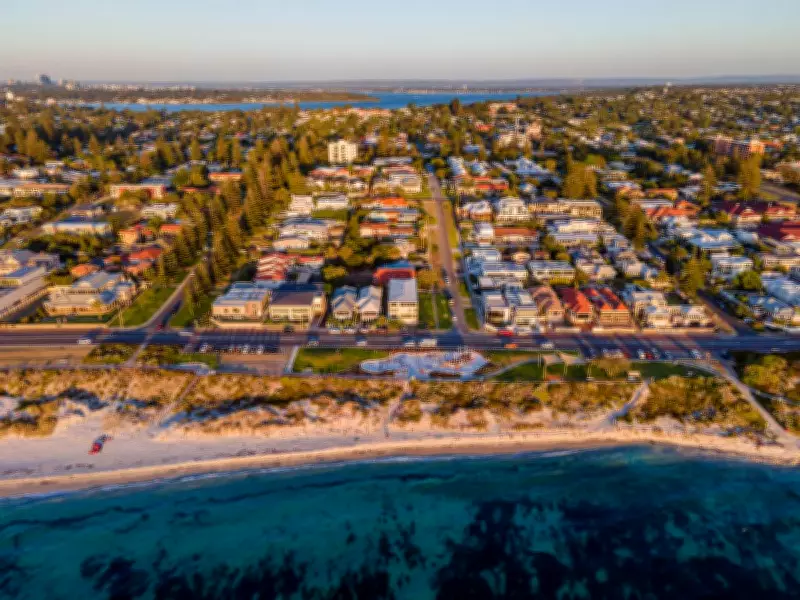
Cottesloe Drafts New Parking Strategy with Paid Parking Proposals
The picturesque coastal town of Cottesloe in Western Australia is facing mounting pressures from population growth and visitor influxes, prompting local authorities to consider introducing paid parking in specific areas. A newly released draft parking strategy for 2026-2029, which has been approved for public advertising following last month's council meeting, outlines a comprehensive plan to overhaul parking management across the town centre and fringe regions.
Addressing Critical Parking Shortages
According to the detailed strategy document, Cottesloe has effectively outgrown its existing parking controls, leading to significant congestion and availability issues. Parking sensors installed throughout the town centre reveal that most parking locations reach saturation by 10am daily, including high-demand areas such as the town centre and foreshore. This early saturation indicates that many motorists are overstaying their allotted parking times, exacerbating the shortage.
The report specifically highlights that the Railway Street and Station West carparks, along with on-street bays along Eric, Napoleon, and Jarrah streets, are consistently 90% full or more during peak periods. On average, parkers who overstay do so by 44 minutes beyond allowable limits, which translates to a loss of 56 prime parking spaces monthly, restricting access for up to 2,635 additional visitors.

Key Recommendations and Public Feedback
The draft strategy recommends several initiatives to better optimise public parking as the town prepares for a projected population increase over the coming years. Proposed measures include:
- Restoring parking availability in high-demand zones
- Relocating long-stay workers away from prime visitor parking spots
- Reducing time restrictions in certain areas
- Introducing additional parking sensors
- Implementing paid parking in designated locations, particularly east of Broome Street as per State regulations
An online survey conducted late last year with 109 respondents identified several pressing parking challenges. Beachside parking was cited as the most difficult, with constant overstretching during peak months, leading to requests for peak period time limits, paid parking for non-residents, and enhanced enforcement. Respondents also reported struggles with the lack of full-day parking near the town centre for medical practices, shops, business staff, and tradespeople.
Interestingly, just over one-third of survey participants indicated they would be willing to pay for parking if it guaranteed space availability when needed.
Infrastructure and Community Benefits
Funds generated from any introduced paid parking schemes would be reinvested into critical community services and infrastructure upgrades. These include enhancing ranger services, upgrading parking infrastructure, and improving community amenities. Additionally, the strategy proposes digital wayfinding upgrades to help residents, businesses, and visitors plan their journeys more effectively by identifying real-time parking availability, thereby reducing overall congestion.
Private property owners have also sought assistance in dealing with overstaying and informal parkers, particularly on verges near local train stations. The report notes that peak hour congestion and a general lack of understanding of local parking conditions make it difficult for drivers to find reasonable and legal parking spots.
Next Steps and Public Consultation
Public submissions on the draft parking strategy are open until March 22, after which the proposal will return to council for final endorsement. This consultation period provides an opportunity for community members to voice their opinions and contribute to shaping the future of parking management in Cottesloe.
The overarching goal of the new strategy is to redefine parking management approaches to improve forward planning efforts, ensuring the town can accommodate growth while maintaining accessibility and reducing traffic pressures.