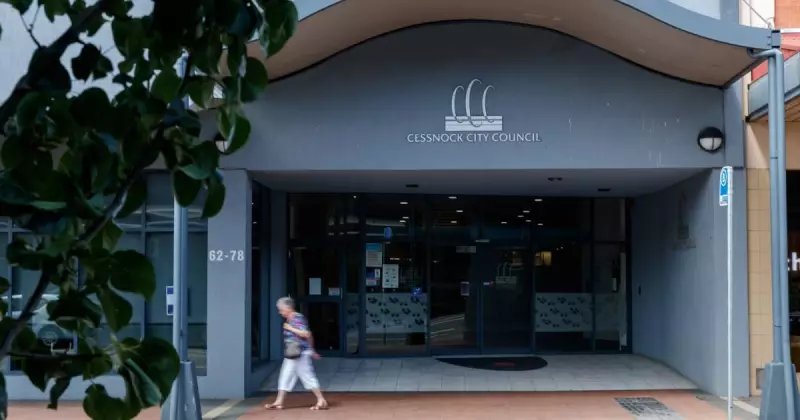
Cessnock residents are confronting the prospect of delayed retirement and severe financial strain as their local council pushes for a dramatic and permanent increase to rates.
Council Votes for Major Rate Increase Application
On Wednesday night, Cessnock City Council voted to proceed with an application to the Independent Pricing and Regulatory Tribunal (IPART) for a one-off permanent rates rise of 39.9 per cent. This proposed hike far exceeds the independent cap of 5.7 per cent set by IPART for the financial year ending in June 2027.
The decision followed tense debate within the council chamber and comes amid widespread community anxiety over the rising cost of living. If approved by the regulator, the increase would see the average residential ratepayer paying an additional $600 in 2027. Farmers and business owners face even steeper jumps, with potential average increases of $1360 and $2070 respectively.

Residents Voice Anger and Despair Over Proposed Hike
The proposal has sent shockwaves through the community, with locals expressing fear and disillusionment. Victoria Davies, a Cessnock resident and former council candidate, said the move felt like a "slap in the face".
"People are wondering what the hell they're going to do, and how they're going to manage," Ms Davies told the Newcastle Herald. "I'm at retirement age and I won't be now. We will be struggling financially, so I'll be staying at work."
She reported that other residents were considering drastic measures to cope, including cutting back on childcare or returning to work after retirement.
Council's Financial Narrative Questioned
The council's justification for the massive rise centres on a commissioned financial health check from April last year, which identified "serious financial sustainability challenges" and a significant infrastructure backlog, particularly for roads strained by population growth.
However, dissenting councillors, including Jessica Jurd, questioned the council's shifting financial story. They pointed to a string of recent budget surpluses and public statements from late 2024 where the council's chief financial officer, Matthew Plumridge, boasted of delivering "the largest capital works program in the region."
Financial reports reveal the council has relied heavily on shrinking capital grants to paper over operating losses running into the tens of millions. Councillor Mark Mason defended the application, arguing that failing to secure more revenue would place a "noose on the next generation" by neglecting essential infrastructure.
What Happens Next?
The case now moves to IPART, which will assess the application between February and May. The tribunal subjects any increase above its cap to strict financial scrutiny. The council's long-term financial plan argues that the rate peg system has created a long-term squeeze, preventing it from raising revenue in line with actual expenditure and higher government funding cuts.
For now, Cessnock ratepayers are left in limbo, fearing a financial hit that could reshape their futures. "What are you doing with it?" Ms Davies asked of the council. "The infrastructure in the Cessnock area is pretty bad to start with... Now, they want more money out of us for no return?"