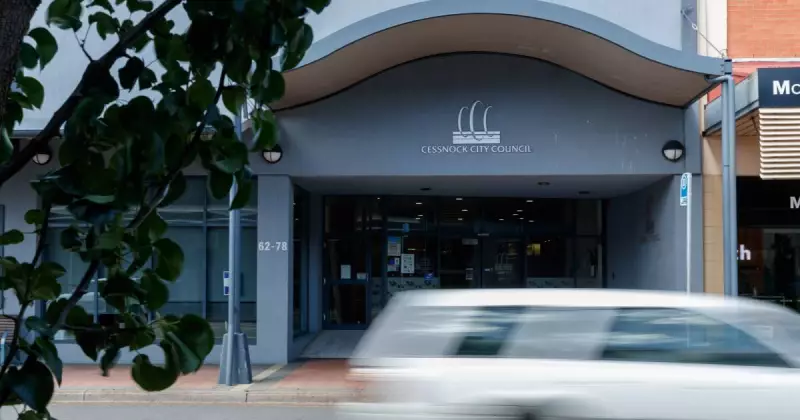
Cessnock City Council has made a swift about-face, voting to overturn a decision that paused all non-essential spending on net zero initiatives, a policy it had enacted just one month earlier.
A Rapid Reversal on Climate Spending
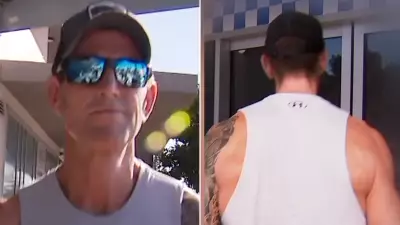
The initial motion, passed in December 2025, was championed by first-term Independent councillor for Ward B, Quintin King. He argued that with the council under significant financial pressure, it needed to scrutinise every dollar and "spend their money wisely." Councillor King insisted the issue was not about climate change scepticism, but about ensuring speculative projects underwent rigorous cost-benefit analysis before receiving funding.
The December proposal narrowly passed with the mayor's casting vote. It effectively froze commitments from the council's long-term Climate Change Resilience Plan, a strategy projected to cost over $15 million across 25 years, with anticipated future savings earmarked to support the council's strained finances.

Backlash and the Grant Funding Threat
Opposition to the spending freeze was immediate. Critics, led by Councillor Mitchell Hill of Ward D, labelled it a blunt instrument that set a dangerous precedent. He warned it could render the council ineligible for crucial state and federal grants, jeopardising practical projects already underway, such as upgrading streetlights to energy-efficient LEDs across the local government area.
"Trying to blanket annihilate spending on any particular topic like this from a notice of motion, is an inappropriate way to go about trying to reduce spending," Councillor Hill stated last month. During the council's meeting on Wednesday, January 14, 2026, he successfully led the debate to rescind the motion. He urged fellow councillors to address spending through the structured annual budget process instead of blocking entire strategic plans.
Financial Pressure Fuels the Debate
The debate occurs against a backdrop of severe financial strain for Cessnock City Council. The organisation is pursuing a near-40 per cent rates rise in 2027 to address an infrastructure backlog and avert financial instability. For years, it has relied on grants to offset core operating deficits running into the tens of millions.
Councillor Jessica Jurd, who supported the original freeze, contended that ratepayers were already funding net zero initiatives at state and federal levels. She questioned whether a council needing a massive rate increase should "double-dip" by asking residents to pay again at the local level. "We are already looking after the planet with net zero in Parliament, it does not need to be at a council level expecting more money from the taxpayer," she argued.
In defence of his original motion, Councillor King maintained his goal was to ensure each project was judged on its individual merits, not to stop the net zero program entirely. Meanwhile, Councillor James Hawkins cut through the ideological debate with a pragmatic view. He stated his support for council initiatives was based purely on financial sense, comparing it to installing solar panels to save on a power bill, not to save the planet. "We're acknowledging that there are schemes available that will save us money," he said.
The final vote to rescind the spending pause was carried, with dissent from councillors King, Jurd, and Susanne Dixon.