Cook Government Moves Forward with Cat Amendment Bill Granting Local Councils Authority
The Cook Government has announced it will progress the Cat Amendment (Local Laws) Bill, a significant legislative change that will empower the local government sector to create and enforce their own cat containment regulations. This move aims to address wildlife protection and promote responsible pet ownership across communities in Perth and beyond.
Empowering Local Councils for Tailored Solutions
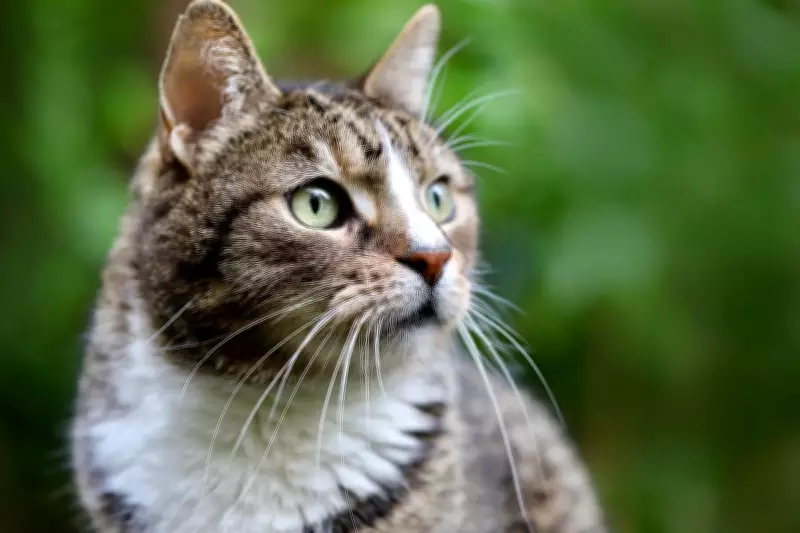
Local Government Minister Hannah Beazley emphasized that the Bill is designed to support responsible cat ownership by allowing individual councils to engage with their communities and develop local laws that reflect specific needs. "If passed, the Bill will empower individual councils to engage with their communities on how they approach cat containment and then make local laws which reflect the needs of their community," she stated. "Cat containment will prevent the destruction of native wildlife and improve the lives of people’s beloved pet cats."
Under the proposed changes, local governments will have the authority to implement a range of measures, including:

- Restricting cats to their owners’ premises to minimize roaming.
- Prohibiting cats from all public areas to reduce environmental impact.
- Introducing cat curfews to control nighttime activities.
Additionally, councils will be encouraged to consider transition arrangements for owners of existing outdoor cats and explore other strategies to support these pet owners during the adjustment period.
Background and Legislative Context
This Government initiative follows a WA Legislative Council vote last year to disallow a proposed City of Bayswater local law for cats. The Joint Standing Committee on Delegated Legislation found that parts of the Bayswater law, particularly clauses related to confinement and control, exceeded what was permitted under the existing Cat Act 2011. Agriculture and Food Minister Jackie Jarvis noted at the time that while some elements were valid, such as provisions to prohibit cats from newly listed public places like Brickworks Lake, the approach was inconsistent with State law. "Attempting to introduce new cat confinement restrictions through local laws is not a valid approach under the current Cat Act," she explained.
In a related development, the City of Stirling shelved its plan to clamp down on free-roaming cats late last year, anticipating that its local law proposal would likely not gain approval from a legislation review panel. These instances highlight the limitations faced by local governments under the current framework, which the new Bill seeks to overcome.
Environmental and Health Benefits of Cat Containment
The Government has underscored the urgent need for these changes, citing that roaming pet cats are estimated to kill millions of birds, reptiles, and small mammals each year, posing a significant threat to biodiversity. Containing cats indoors or within properties not only protects native wildlife but also leads to healthier pets with fewer injuries, according to official statements. A survey reported by PerthNow last year revealed that local governments across Western Australia overwhelmingly support keeping cats at home, with nearly 80 percent interested in implementing permanent containment laws, as unveiled by the WA Feral Cat Working Group.
Despite clear evidence of the damage caused by free-roaming cats, the working group pointed out that WA has some of the most relaxed laws regarding responsible cat ownership, making this legislative update a critical step toward environmental conservation.
Ongoing Public Consultation and Future Steps
In conjunction with the Cat Amendment Bill, the Cook Government is conducting a public consultation on the statutory review of the Cat Act 2011. Written submissions are invited on various domestic cat management topics, including:

- Registration processes for cat ownership.
- Enforcement and compliance mechanisms.
- Sterilisation requirements to control populations.
- Microchipping standards for identification.
- Breeding regulations to prevent overpopulation.
- Limits on the number of cats owned per household.
This comprehensive approach aims to create a more robust framework for cat management, balancing community needs with environmental protection. As the Bill progresses, it represents a pivotal shift toward localized governance in animal welfare and conservation efforts across Perth and Western Australia.