Parking Crisis Intensifies in City of Canning Amid Infill Development Boom
Residents in the City of Canning are voicing growing frustration over a mounting parking crisis, attributing the problem directly to rapid infill development across the area. At the city's annual general meeting of electors held on January 29, numerous locals expressed concerns that the surge in housing density is severely squeezing available parking spaces, forcing an increasing number of vehicles onto already congested streets.
Community Outcry Over Development Impacts
Collette Bishop, a resident of East Cannington, highlighted specific worries regarding a State Government development planned for the corner of Lake Street and Cecil Avenue. DevelopmentWA's proposal includes constructing 31 one-bedroom and 69 two-bedroom dwellings at 70 Cecil Avenue, with only 61 carparking bays allocated for the entire project.
"If and when it goes ahead, where are the construction vehicles going to be parking?" Ms Bishop questioned during the meeting. "They're building 100 units and only 60 parking spots and that's already an area that there's virtually no parking."

Fiona Hillary from Bentley described the weekend parking situation in her neighborhood as "ridiculous" due to what she termed the "saturation" of subdevelopments. "Where you've had one house, you now have three, four, in some cases six and eight," she explained. "It is an accident waiting to happen."
Municipal Response and Broader Challenges
While city staff acknowledged the parking predicament, they indicated limited capacity to implement effective solutions. Mayor Patrick Hall noted that communities are only beginning to grasp the full impact of infill development on parking availability, warning that the situation is unlikely to improve.
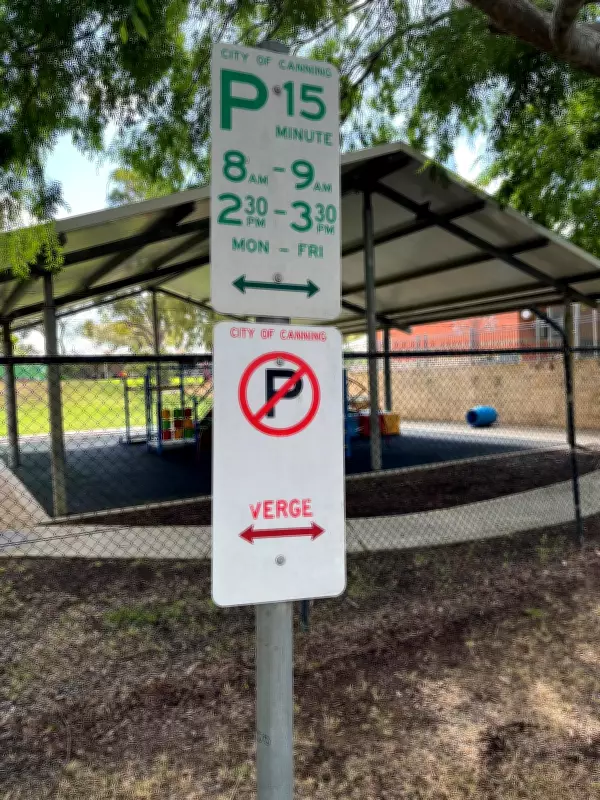
"It's not just that they park on the roads, it's also now all over the verges," Mayor Hall stated. "We're seeing hundreds, thousands of verges reduced to sand, black hot sand, everything is dead, can't put a tree on it, can't put anything on it."
The mayor pointed to changing housing patterns as part of the problem, explaining that smaller blocks now often accommodate multiple families with multiple vehicles each. He also emphasized that the city is obligated to meet State Government infill targets, which complicates local planning decisions.
Planning Dilemmas and Future Concerns
City director of planning development Graeme Bride revealed that municipal authorities believe the Cecil Avenue development provides insufficient parking. However, State Government representatives argue that the mix of social and affordable housing, combined with proximity to public transport, justifies the parking allocation.
City chief executive Michael Littleton encouraged residents to continue reporting parking issues while acknowledging the broader context of urban densification. "We understand the implications of densification. Parking is one of them; we're further exacerbated by our proximity to Curtin Uni, student housing, those sorts of things," he told meeting attendees.
Mayor Hall expressed hope that the State Government would reconsider parking arrangements for the Cecil Avenue project, particularly given its location near major transit infrastructure. The ongoing tension between development goals and community livability continues to shape discussions about Canning's urban future.