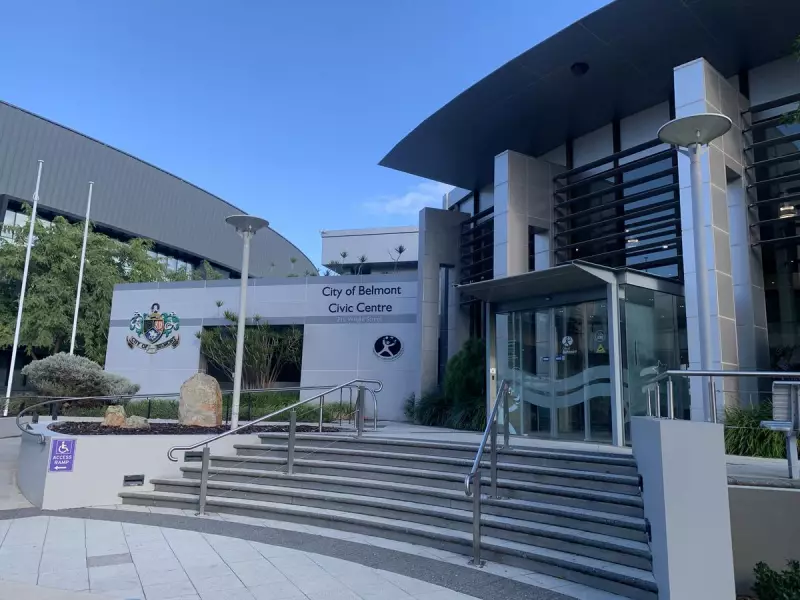
A prominent residents' group in the City of Belmont has publicly declared the council's annual electors' meetings a futile exercise, accusing elected members of failing to genuinely listen to community concerns. The criticism follows a poorly attended meeting where more than twenty motions were put forward, highlighting a growing rift between the council and some ratepayers.
Low Turnout Fuels Debate Over Meeting Value
The annual meeting of electors, held on December 15, saw a strikingly low attendance from the public. Only nine residents from the city's population of approximately 46,000, plus one non-elector, were present. This number barely exceeded the count of city staff and council members in attendance.
These meetings are a formal opportunity for residents and ratepayers to review the previous financial year's annual report, pose questions, and propose motions for the council's consideration. Despite the low turnout, the meeting was not short on content, with more than 20 motions presented. Of these, 14 were adopted and are scheduled to be presented to the full council in February.

Residents' Group Voices Frustration and Boycott
The strongest criticism came from the Belmont Residents and Ratepayer Action Group (BRRAG). Chair Lisa Hollands addressed the council the very next day, on December 16, stating the group believed the electors' meetings were a "complete waste of time" after years of participation.
Ms Hollands revealed the group chose not to prepare any motions for the latest meeting and left after the public question period. She stated this decision was made because they believed the council was "not interested in hearing what we have to say". She also questioned why only three council members were present at the electors' meeting, asking if their absence indicated a lack of understanding of its importance or poor scheduling during the busy Christmas period.
City CEO John Christie responded that all councillors were aware of the meeting and those absent had sent their apologies. He clarified that elected members have a limited formal role during the electors' meeting proceedings.
Transparency and Access Motions Take Centre Stage
The debate extended into the council meeting itself. BRRAG vice-chairperson Janet Gee questioned the councillors' commitment, urging them to "make an effort to attend" such forums. She further requested that council members vote on resolutions from the electors' meeting individually, rather than en masse, to "make it at least look as though you guys are taking an interest".
This statement was withdrawn after Deputy Mayor Deborah Sessions objected, stating it implied councillors were not acting in good faith. Mayor Robert Rossi asserted that it was up to each councillor to decide how to handle the resolutions but assured that he, and others, considered them carefully.
The substance of the motions from the electors' meeting focused heavily on transparency and public access. Key issues included ongoing efforts to have full records of the city's agenda briefing sessions released and to lift a rule that only people "directly affected" by items can speak on them at these briefings.
During the electors' meeting, Ms Hollands challenged Mayor Rossi on his claim of being "welcoming and listening" given these speaking restrictions. Mayor Rossi is recorded as responding that he engages with residents at events and did "not need to be lectured about community engagement". Another resident defended the Mayor, stating he had acted on every matter raised with him.
Motions passed at the electors' meeting included:

- A 4-1 vote for the council to remove the "directly affected" requirement for speaking at agenda briefings.
- A 5-0 vote for public questions and answers at council meetings to be published in full.
- A 5-0 vote that reasons must be given when records of a public meeting are altered (following the city's editing of part of an October meeting livestream).
- A 4-2 vote for the city to oppose the Burswood racetrack.
- A vote for the return of weekly collections of red-lidded household bins.
The events of December have cast a spotlight on the mechanisms of local democracy in Belmont, revealing significant dissatisfaction with current engagement channels and setting the stage for a potentially contentious council meeting in February when the adopted motions are formally considered.