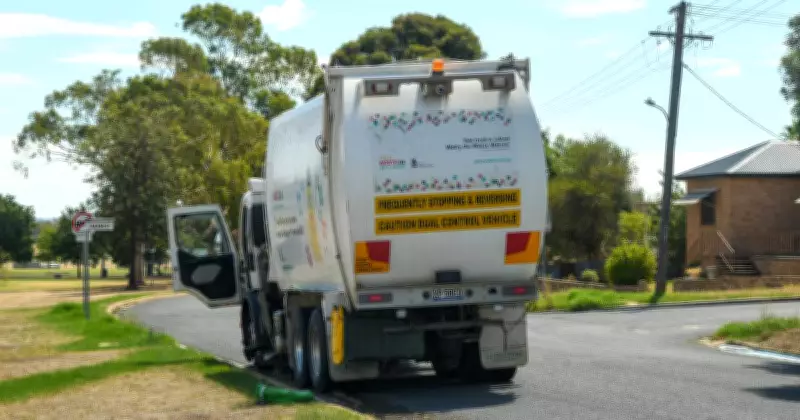
In a recent development, rubbish trucks in the Australian Capital Territory (ACT) have been confirmed to have sufficient fuel supplies to continue their essential waste collection services without interruption. This assurance comes amid growing concerns over fuel shortages that are threatening similar services in various New South Wales (NSW) councils, highlighting a stark contrast in regional preparedness and resource management.
ACT Maintains Waste Services Amid Fuel Concerns
The ACT government has reported that its fleet of rubbish trucks is fully fueled and operational, ensuring that residents will not experience any disruptions to their regular waste collection schedules. This proactive measure is part of the territory's broader strategy to maintain critical public services during periods of potential supply chain instability. Officials have emphasized that they are closely monitoring fuel stocks and have contingency plans in place to address any future shortages, should they arise.
NSW Councils Face Service Disruptions
In contrast, several NSW councils have issued warnings about the potential for threatened services due to ongoing fuel shortages. These councils, which rely on diesel and other fuels for their waste management operations, are grappling with supply issues that could lead to delays or cancellations in rubbish collection. The situation has prompted calls for immediate action to secure fuel supplies and prevent further disruptions to community services.

The warnings from NSW councils underscore the broader challenges facing regional waste management systems across Australia. Factors such as fluctuating fuel prices, supply chain bottlenecks, and increased demand have contributed to the current predicament, putting pressure on local governments to find sustainable solutions.
Implications for Waste Management and Public Health
The disparity between the ACT and NSW councils in handling fuel shortages raises important questions about the resilience of waste management infrastructure. In the ACT, the assurance of sufficient fuel for rubbish trucks helps maintain public health and environmental standards by ensuring timely waste removal. However, in NSW, the threatened services could lead to accumulated waste, posing risks such as pest infestations, odors, and potential health hazards for residents.
Experts suggest that this situation highlights the need for more robust planning and investment in alternative energy sources for waste management fleets. Options like electric or hybrid rubbish trucks could reduce dependency on fossil fuels and enhance sustainability in the long term. Additionally, better coordination between state and local governments may be necessary to address supply chain vulnerabilities and ensure consistent service delivery across regions.
Looking Ahead: Strategies for Mitigation
To mitigate the impact of fuel shortages, both the ACT and NSW councils are exploring various strategies. In the ACT, ongoing monitoring and contingency planning are key components of their approach. For NSW councils, immediate measures may include prioritizing essential services, seeking alternative fuel suppliers, or implementing temporary service adjustments to cope with limited resources.
Public awareness campaigns are also being considered to inform residents about potential changes to waste collection schedules and encourage practices like reducing waste generation or increasing recycling efforts. These efforts aim to minimize the disruption caused by fuel shortages and maintain community well-being during challenging times.
Overall, the current scenario serves as a reminder of the interconnectedness of fuel supply chains and public services. As regions like the ACT demonstrate preparedness, others like NSW face urgent challenges that require swift and effective responses to safeguard essential waste management functions.