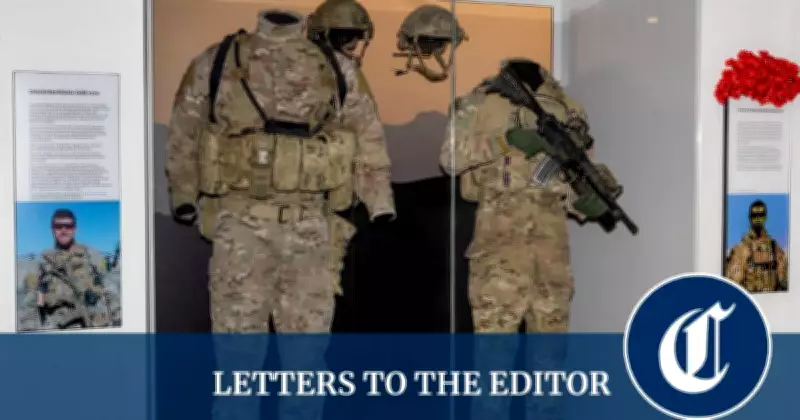
The Australian War Memorial has defended its decision to include a display featuring Ben Roberts-Smith, the former Special Air Service soldier who has been embroiled in war crimes allegations. The memorial's director, Matt Anderson, stated that the display is part of the institution's commitment to presenting the full history of Australia's military involvement, including the complex and difficult aspects.
Background of the Controversy
Ben Roberts-Smith, a Victoria Cross recipient, has faced allegations of war crimes during his service in Afghanistan. These allegations have been the subject of a lengthy legal battle and media scrutiny. The display at the War Memorial has drawn criticism from some quarters, who argue that it glorifies a figure under a cloud of serious accusations.
Anderson's Defense
Matt Anderson emphasized that the War Memorial's role is to document history, not to judge individuals. He noted that the display includes contextual information about the allegations and the legal proceedings. Anderson also pointed out that the memorial has a responsibility to represent the experiences of all Australian service personnel, including those whose actions have been questioned.

The display has been designed to encourage visitors to engage with the complexities of modern warfare and the moral challenges faced by soldiers. Anderson stated that the memorial is not shying away from controversy but rather providing a platform for informed discussion.
Public Reaction
The decision has sparked a mixed response from the public. Some veterans and family members have expressed support for the display, arguing that Roberts-Smith's service and bravery should be recognized. Others, including human rights groups and legal experts, have voiced concern that the display could be seen as endorsing someone accused of serious crimes.
The War Memorial has indicated that it will continue to update the display as new information becomes available, including the outcomes of ongoing legal proceedings. Anderson stressed that the institution remains committed to transparency and historical accuracy.
This development comes amid broader debates about how Australia commemorates its military history and the individuals who serve. The War Memorial's approach reflects a growing trend in museums and memorials worldwide to address contentious historical figures and events head-on, rather than omitting them from the narrative.
As the legal case against Ben Roberts-Smith continues, the display at the Australian War Memorial will likely remain a focal point for discussions about accountability, remembrance, and the ethics of military service.