Venezuelan President Nicolas Maduro is now behind bars in the United States, spending his first night in a Brooklyn detention centre following an audacious, CIA-led military operation that snatched him from his Caracas home.
The Midnight Raid: Cyberattacks and Chaos in Caracas
The dramatic capture unfolded in the early hours, beginning with a sophisticated cyberattack at 2:01 AM local time that plunged the Venezuelan capital into darkness. This digital blackout was the precursor to a physical assault by elite US units, including the famed Delta Force and the 160th Special Operations Aviation Regiment (Night Stalkers). The raid, which involved explosions and a direct assault on the presidential residence, successfully extracted Maduro and his wife, Celia Flores, on drug trafficking charges.
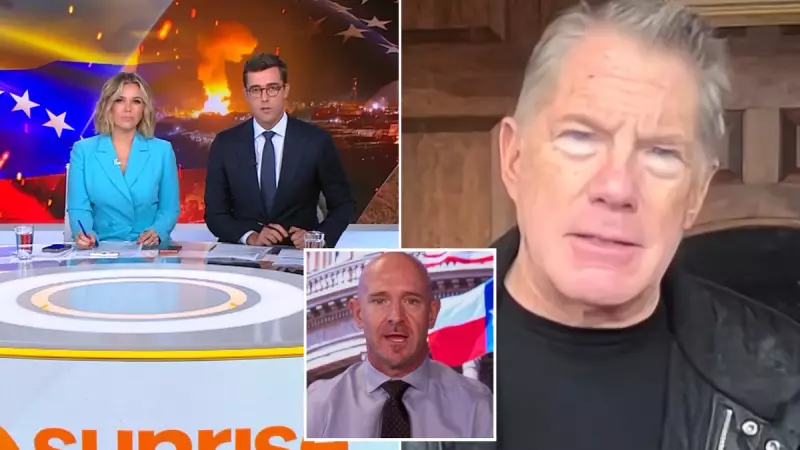
Speaking to Sunrise, former CIA operative Mike Baker revealed the operation was the result of months of meticulous intelligence gathering. "It all depends on the homework you do ahead of time," Baker said, dismissing Hollywood portrayals of such missions. He explained that a recruited asset within Maduro's inner circle provided crucial intel, helping establish the leader's "pattern of life." This intelligence, combined with signals intercepts and surveillance, allowed teams to construct a full-scale mock-up of the safe house for exhaustive rehearsals, a tactic reminiscent of the operation against Osama Bin Laden.

"A Historic, High-Risk Raid": Experts Weigh In
The mission has drawn starkly different reactions from security analysts. Former US Navy SEAL Mike Cirelli hailed it as "one of the most historic high-risk capture extraction raids" in military history. He defended the intervention, labelling Venezuela a "rogue nation" that funnels drugs and migrants into the US and serves as an anti-US energy stronghold. "The preparation and intelligence won this mission before it even launched," Cirelli stated.
However, the bold move has sparked intense international criticism and concern. Strategic Analysis Australia's Michael Shoebridge warned it establishes a "very nasty precedent" for the aggressive use of military power. "America using its military, even very skilfully, to abduct a foreign leader after bombing the capital is a very nasty precedent," Shoebridge argued, suggesting it could embolden actions by China or Russia in regions like Taiwan.
Fallout and an Uncertain Future for Venezuela
The political aftermath is already turbulent. While US Secretary of State Marco Rubio justified the action against an "illegitimate president," Democrats are furious they were not consulted. Former vice president Kamala Harris condemned the raids as "unwise and unlawful." Protests have erupted outside the Metropolitan Detention Centre in Brooklyn, where the Maduros await court, with demonstrators questioning if the motive is truly about drugs or about securing Venezuela's vast oil reserves.
Back in Venezuela, Vice President Delcy Rodriguez has assumed control but has defiantly stated she will not do Washington's bidding. The US now faces the monumental challenge of what comes next, with all options—including potential troop deployment—reportedly on the table to maintain order and push for elections. This operation, celebrated by some Venezuelans, has irrevocably shifted the landscape of international diplomacy and law, leaving world leaders to ponder who might be next.