Trump's Iran Strike Delay Leaves Allies and Markets in the Dark
Confusion reigns globally as US President Donald Trump has unexpectedly delayed planned military strikes against Iran, creating widespread uncertainty among allies, governments, and financial markets. The move, announced just before US markets opened, has sparked conflicting narratives about the true situation behind the scenes.
Conflicting Claims Over Talks and Ultimatums
Trump cited "productive" conversations with Iran as the reason for pushing back his own deadline by five days, suggesting it could lead to a "complete and total resolution of hostilities in the Middle East." However, Tehran has vehemently denied any negotiations have taken place, dismissing the claim as "fake news." Mohammad-Bagher Ghalibaf, speaker of the Parliament of Iran, stated on social media that all Iranian officials stand firmly behind their supreme leader and people, demanding punishment for aggressors and denying any US talks.
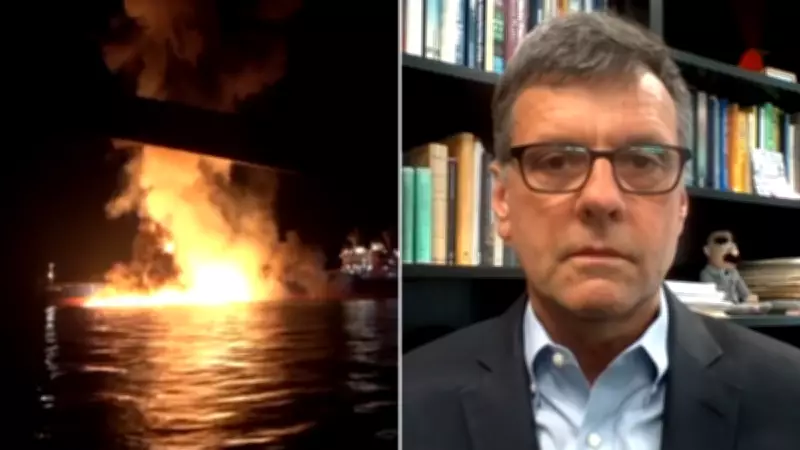
In a direct ultimatum posted to Truth Social, Trump warned Iran to fully open the Strait of Hormuz within 48 hours or face military action targeting their power plants. He later told media that if talks fail, the US will "just keep bombing our little hearts out." Peter Loge, a former senior advisor to the Obama administration, highlighted the critical nature of this confusion, noting it leaves everyone unsure how to respond.

Market Reactions and Strategic Motives
The announcement triggered immediate falls in oil and gas prices as markets opened, a response Loge suggested may have been intentional. He argued that Trump is deeply interested in market reactions, with global markets being a key constituency throughout his presidency. The threatened strikes aimed at Iran's energy systems were designed to force the reopening of the Strait of Hormuz, a vital global oil shipping route central to the escalating stand-off.
Loge warned that targeting such infrastructure would be "massively disruptive" beyond the region, exacerbating the uncertainty. This delay has not only sowed doubt among allies and governments but also highlighted the complex interplay between military strategy and economic factors in US foreign policy decisions.