Trump's Renewed Ambition: A 2026 Push for Greenland
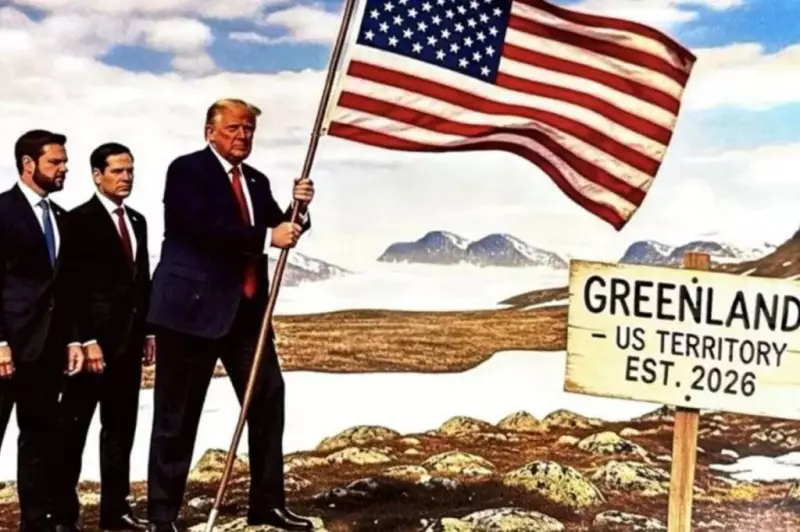
In a move that echoes his earlier controversial efforts, former United States President Donald Trump is reportedly considering a renewed bid to purchase Greenland in 2026. This development, which has surfaced in recent political discussions, reignites debates over the strategic, economic, and diplomatic implications of such a proposal. While details remain speculative, the mere suggestion underscores Trump's persistent interest in expanding US territorial influence in the Arctic region.
Geopolitical Context and Historical Precedents
The idea of the US acquiring Greenland is not new; it dates back to the 19th century, with President Harry Truman expressing interest in the 1940s. However, Trump's previous attempts during his presidency were met with firm rejection from Denmark, which oversees Greenland's foreign affairs, and skepticism from Greenlandic authorities. The renewed focus in 2026 aligns with a period of heightened global competition for Arctic resources and shipping routes, driven by climate change and strategic rivalries.
Strategic Motivations Behind the Bid

Analysts suggest that Trump's interest in Greenland is rooted in several key factors. Firstly, the region offers vast untapped natural resources, including minerals, oil, and gas, which could bolster US energy independence and economic security. Secondly, Greenland's location provides a strategic military advantage in the Arctic, potentially countering Russian and Chinese expansion in the area. Lastly, control over Greenland could enhance US influence in international climate negotiations, given the island's role in global warming research.
Feasibility and Political Challenges
Despite the potential benefits, the feasibility of such a purchase faces significant hurdles. Greenland, while an autonomous territory of Denmark, has its own government that has consistently opposed foreign ownership, emphasizing self-determination and sovereignty. Denmark, as the colonial power, has also historically resisted selling Greenland, viewing it as an integral part of its kingdom. Moreover, international law and treaties, such as the United Nations Convention on the Law of the Sea, complicate territorial transfers without local consent.
Public and Political Reactions
Reactions to Trump's reported 2026 bid have been mixed. Supporters argue that it represents a bold strategic move to secure US interests in a rapidly changing world. Critics, however, dismiss it as political theatre, aimed at rallying Trump's base ahead of potential future elections. Environmental groups have raised concerns about the impact on Greenland's fragile ecosystems and indigenous communities, while geopolitical experts warn of escalating tensions with allies and adversaries alike.
Implications for Australia and Global Dynamics
For Australia, this development highlights broader trends in global power shifts and resource competition. As a key player in the Indo-Pacific, Australia may need to navigate the fallout from increased US-China rivalry in the Arctic, which could affect trade routes and diplomatic alignments. Additionally, Australia's own interests in Antarctic governance and climate policy might be influenced by US actions in polar regions, underscoring the interconnected nature of international affairs.
Looking Ahead to 2026
As 2026 approaches, the viability of Trump's Greenland bid will depend on multiple factors, including the political landscape in the US, Denmark, and Greenland. Key considerations include:
- The outcome of upcoming elections in these regions, which could shift policy priorities.
- Economic assessments of Greenland's resource potential versus acquisition costs.
- Diplomatic efforts to garner support or opposition from international partners.
- Public opinion in Greenland, where polls have shown strong resistance to foreign control.
Ultimately, whether this bid materializes as a serious geopolitical maneuver or remains a symbolic gesture, it serves as a reminder of the enduring allure of territorial expansion in an era of global uncertainty.