PM's Mercy Mission to Malaysia and Brunei Aims to Secure Critical Supply Chains
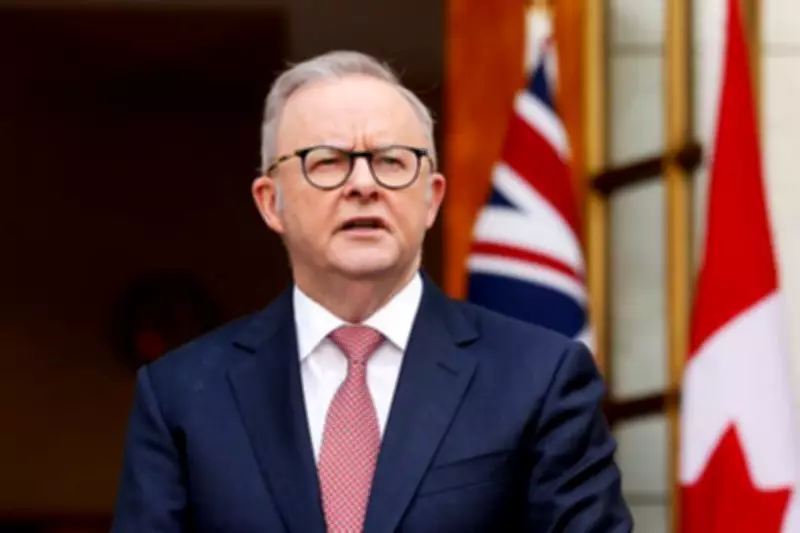
Prime Minister Anthony Albanese's four-day mercy dash to Brunei Darussalam and Malaysia this week is far more than just another entry in a crowded diplomatic diary. It represents a frantic and necessary scramble to plug the holes in Australia's increasingly brittle supply chains, as the ongoing conflict in the Middle East threatens to turn local supermarket aisles into a battlefield of relentless price hikes.
Urgent Diplomatic Efforts Amid Global Turmoil
The optics are unmistakably clear: this is a federal government operating in full damage-control mode. With the Strait of Hormuz effectively transformed into a no-go zone due to regional tensions, the 30 percent of global fertilizer supply that typically flows through those strategic waters has vanished almost overnight. Australia relies on the Middle East for a staggering 60 percent of its urea, a critical component for agricultural productivity. The looming food security timebomb is not merely political rhetoric; it is a ticking clock that places immense pressure on Australian farmers and the broader economy.
In Bandar Seri Begawan, the capital of Brunei, Prime Minister Albanese is hunting for much more than just a ceremonial audience with the Sultan. He is actively chasing guarantees for the 11 percent of fertilizer-grade urea and 9 percent of diesel that Brunei already provides to Australia. These supplies are vital for maintaining agricultural output and transportation networks across the nation.

High-Stakes Negotiations in Kuala Lumpur
The stakes escalate even higher in Kuala Lumpur, where Malaysia stands as Australia's third-largest source of refined fuel. Combined, Brunei and Malaysia represent a significant portion of Australia's urea lifeline, making these diplomatic engagements crucial for national stability. Foreign Minister Penny Wong is accompanying the Prime Minister to smooth the diplomatic gears and reinforce the mission's clear objective: to secure the uninterrupted flow of energy and essential goods, thereby shielding Australian households and businesses from a conflict raging half a world away.
Here in Western Australia, the urgency of this situation is felt acutely. Between the ill-timed power outage at the Yara plant in the Pilbara region and the fact that the $6.5 billion Perdaman fertilizer plant remains a long way from full production, local vulnerabilities are starkly exposed. WAFarmers has every right to express nervousness, as the agricultural season waits for no one. Comprehensive partnerships and diplomatic agreements alone cannot fertilize crops or transport food from paddock to plate; tangible, guaranteed supplies are what matter most.
Public Skepticism and Economic Realities
Prime Minister Albanese asserts that he is taking every practical action to protect the Australian economy from these external shocks. However, many Australians have grown weary of vague discussions and lofty strategic partnerships that fail to translate into concrete results. As the Minister for Agriculture has openly admitted, the conflict in the Middle East remains highly unpredictable, and its impact on household budgets is the most uncertain it has been in a generation.
Albanese has a tremendous amount riding on this diplomatic trip. While petrol and diesel prices have shown some stabilization in recent days, the cost remains far too high for already struggling families and small businesses to bear. Something needs to give, and soon. The Prime Minister cannot afford to return from his latest overseas journey with mere platitudes about constructive and positive discussions or empty rhetoric on shared challenges. Such outcomes could easily be achieved through a Zoom video call from the kitchen table at The Lodge.

The Need for Iron-Clad Guarantees
What Australians truly need are iron-clad guarantees that diesel will keep flowing into the country and that fertilizer shipments will arrive before the critical planting window slams shut. If Prime Minister Albanese fails to deliver these assurances, the mercy in this diplomatic dash may ultimately be required for his own government, especially when the next cost-of-living index is released and public sentiment is measured. The success of this mission could very well define the government's ability to manage external crises and protect domestic interests in an increasingly volatile global landscape.