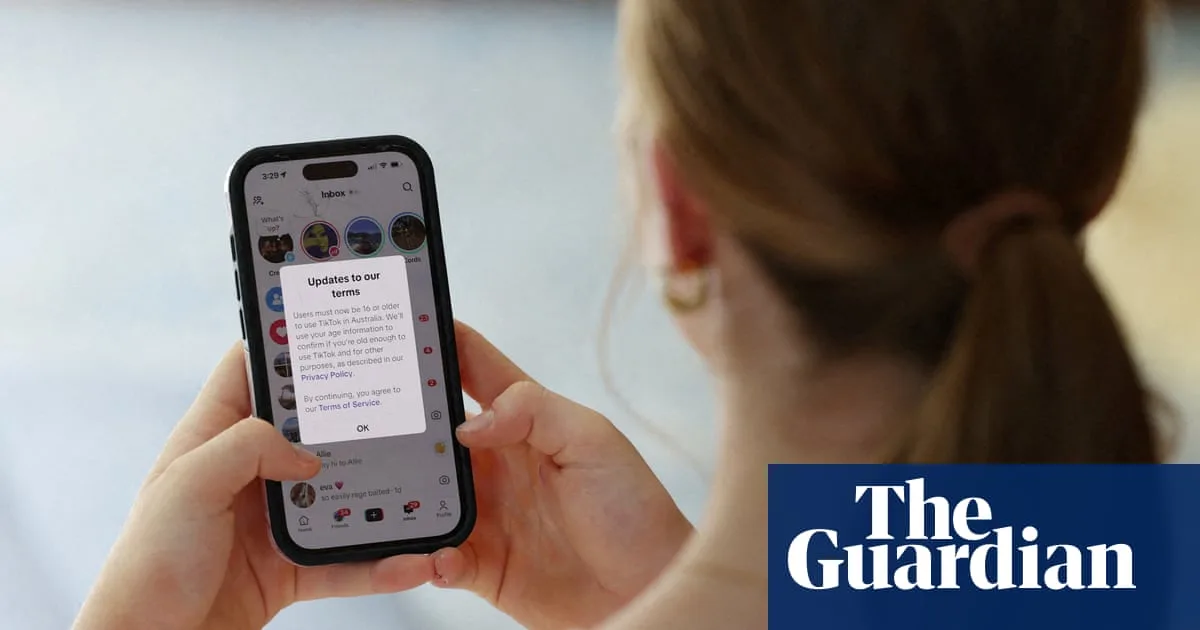
Three months after Australia implemented a world-first social media ban for under-16s, early data is limited and opinions are divided. The ban, which took effect on 10 December 2025, required 10 platforms including TikTok, YouTube, Instagram, Facebook, and Twitch to remove accounts of users under 16. Prime Minister Anthony Albanese has cited the removal of 4.7 million accounts as a measure of success, but experts caution that this only reflects technical compliance, not real-world impact.
Caroline Thain, national clinical adviser at mental health organization Headspace, says about one in 10 teenagers visiting Headspace centres have mentioned the ban as a reason for seeking support. However, she notes that data is still minimal and a deeper analysis is needed. The eSafety Commissioner, Julie Inman Grant, has launched a two-year evaluation involving over 4,000 children and families, using surveys, smartphone tracking, school test results, and healthcare data to assess outcomes including mental health, online risks, and digital habits.
Schools report little change so far, as many already banned devices during school hours. Teenagers interviewed two months after the ban expressed mixed views. Sarai Ades, 14, said she easily created new accounts on TikTok and Snapchat, while Grace Guo, 14, said the ban made her realize over-reliance on social media and encouraged alternative communication. Some teens have circumvented the ban by switching to platforms like WhatsApp, which is not included.

Jonathan Haidt, author of The Anxious Generation, says it will take five years to see if the ban improves teen mental health, but only if 70% of the population complies. The eSafety commissioner is evaluating platform compliance but has not yet announced enforcement actions. Thain urges governments considering similar bans to include teenagers in policy development, noting that parents may not fully understand the digital landscape.