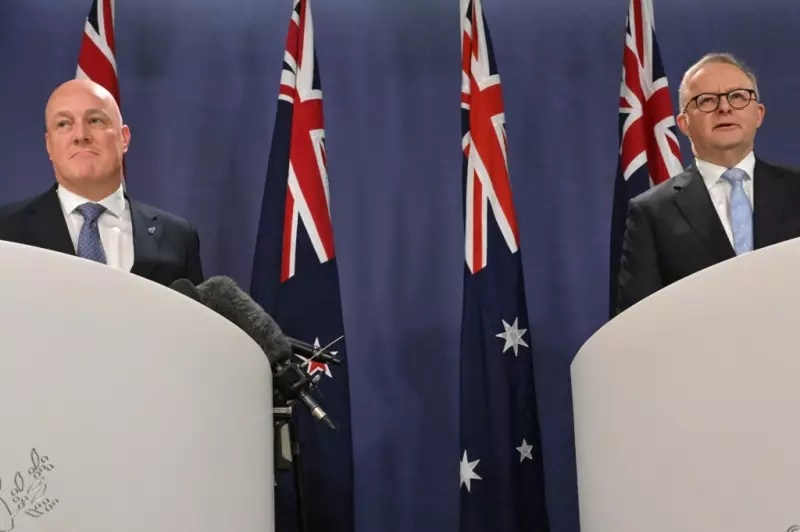
New Zealand Prime Minister Christopher Luxon has made a significant announcement, setting the date for the country's next general election. The poll is scheduled to take place in 2026, a move that has immediately captured the attention of political observers and citizens alike.
Luxon's Announcement Sparks Political Preparations
In a formal statement, Prime Minister Luxon confirmed the election date, which is now firmly on the calendar for 2026. This decision marks a crucial step in New Zealand's democratic process, providing clarity and allowing political parties to begin their preparations in earnest. The announcement comes at a time when the nation is navigating various economic and social challenges, making the upcoming election particularly pivotal.
Implications for New Zealand's Political Landscape
The setting of the election date by Luxon is expected to trigger a flurry of activity across the political spectrum. Parties will now ramp up their campaigns, policy development, and voter outreach efforts as they gear up for the 2026 contest. This early announcement allows for a longer lead-up period, potentially influencing the strategies and alliances formed in the coming years.

Political analysts suggest that this move could shape the narrative around key issues such as the economy, healthcare, and environmental policies. With the date now public, the focus will shift to how Luxon's government performs in the interim and how opposition groups position themselves to challenge the incumbent administration.
Historical Context and Voter Expectations
New Zealand's electoral system, known for its mixed-member proportional representation, often leads to dynamic and closely watched elections. The 2026 poll will be no exception, with voters likely to scrutinise the government's track record and the alternatives presented by other parties. Historically, election dates in New Zealand are set by the Prime Minister, making Luxon's announcement a standard yet impactful procedural step.
As the country looks ahead to 2026, the announcement underscores the importance of democratic engagement and the role of citizens in shaping New Zealand's future. The coming months will see increased political discourse, with the election date serving as a focal point for national debate and planning.