Health authorities in New South Wales have issued an urgent plea for residents to get vaccinated against influenza, as the state's hospital system prepares for a challenging winter flu season. This comes just one year after the state recorded its highest number of influenza cases on record.
Record-Breaking Flu Season Last Year
Respiratory illnesses like the flu become more common during the colder months, putting significant pressure on health systems as hospital admissions surge. Last year, NSW recorded more than 180,000 cases of flu-like illnesses, according to the NSW Health Minister's office. This represented a dramatic 79% increase compared to figures from 2023.
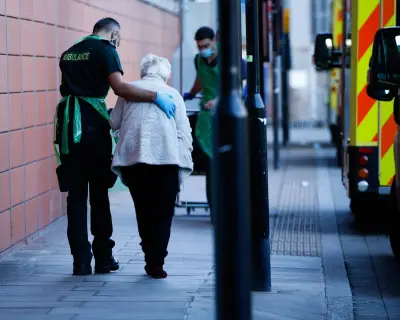
Emergency departments were overwhelmed, experiencing a 45% increase in patients compared to 2024 figures. Fearing another surge this year, the government has implemented several preventive measures to avoid overwhelming the state's health system.

Preventive Measures Implemented
These measures include extending service hours in some hospitals, expanding weekend coverage, and shifting more patient care to digital platforms like Healthdirect. This allows patients to avoid waiting hours in the emergency department. More than 60% of Healthdirect users who initially intended to go to the emergency department received care without having to join the emergency room waitlist.
Health Minister's Urgent Appeal
NSW Health Minister Ryan Park urged the public to prioritize vaccination before numbers spike again. "We can lower our risk of flu by ensuring we are up to date with our vaccinations, especially our school-aged children and over 65s. For younger people who are averse to needles, you can now receive a free vaccine in the form of a nasal spray," he said.
Nasal spray flu vaccines were announced earlier this year and are available for all young NSW residents aged 2 to 17 years. Everyone aged six months and over is encouraged to get their annual flu vaccination, described as the "best protection against serious illness."
Free Vaccines for Eligible Groups
Flu vaccines, including the nasal spray, have been available since April. They are free for children aged six months to under five years, pregnant women, Aboriginal people aged six months and over, and people with serious health conditions. Healthdirect services operate 24 hours a day, seven days a week.