Nationals' Defiance in Senate Vote Puts Coalition Solidarity at Risk
The Coalition has been plunged into another internal crisis after the Nationals party broke ranks with the Liberals in a crucial Senate vote on Tuesday night. In a move that has sent shockwaves through federal politics, all four Nationals senators voted against the Albanese government's hate speech legislation, directly opposing their Liberal counterparts who supported the bill's passage.
Shadow Cabinet Positions Hang in the Balance
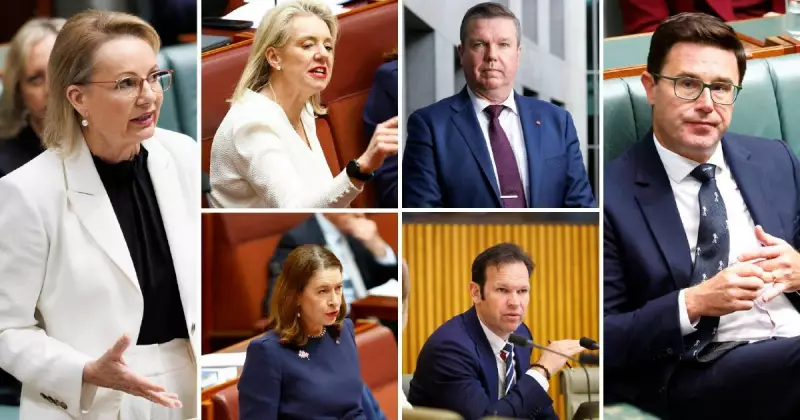
The rebellion has placed several Nationals frontbenchers in Sussan Ley's shadow cabinet in immediate jeopardy. Reports emerged on Wednesday morning that senior Nationals figures including Bridget McKenzie, Ross Cadell and Susan McDonald were preparing resignation letters as Opposition Leader Ley met with Nationals Leader David Littleproud to address the breach.
This represents the second significant challenge to Ms Ley's authority since the Coalition temporarily fractured in May over energy and climate policy disagreements. The timing could not be more delicate for the Opposition as it seeks to present a united front against the Labor government.

Coalition Agreement Under Strain
The formal Coalition agreement between the Liberal and National parties explicitly requires shadow cabinet solidarity, mandating that frontbenchers must vote according to decisions made by the joint Coalition party room. By defying this principle, the Nationals senators have created a constitutional crisis within the Opposition's leadership structure.
Senator Ross Cadell acknowledged the gravity of the situation on Wednesday morning, telling media he would accept any consequences for his actions. "If you commit the crime, you do the time," he stated, while suggesting it would require "tolerance and understanding" from Ms Ley for him to retain his shadow cabinet position.
Nationals Justify Their Opposition
In a statement released after the Nationals party room meeting on Tuesday night, David Littleproud explained his party's position. He asserted that the Nationals could not support the bill in its current form and would oppose it in the Senate unless their proposed amendments were adopted.
"This decision does not reflect on the relationship within the Coalition," the statement claimed, while adding, "We cannot risk the consequences of getting this legislation wrong." The Nationals' concerns reportedly centered on potential impacts to freedom of speech protections.
Liberals Defend Their Support for Amended Bill
Meanwhile, Sussan Ley defended the Liberals' decision to support the legislation in the House of Representatives on Wednesday. She argued that her party had secured important changes to strengthen the new hate laws while ensuring they would not unduly restrict freedom of expression.
"We made sure that aggravated offences would capture radical Islamist extremist preachers," Ms Ley told Parliament, highlighting what she described as crucial safeguards negotiated by the Liberals.
Vote Outcome and Broader Implications
The hate speech bill ultimately passed the Senate late on Tuesday night with 38 votes in favor and 22 against. While Queensland Nationals Senator Matt Canavan also voted against the legislation, his position as a Coalition backbencher means he is not bound by the same cabinet solidarity requirements as frontbench colleagues.
South Australian Liberal Senator Alex Antic joined the Nationals in opposing the bill, indicating that dissent extended beyond just the junior Coalition partner. The Liberal leadership group was scheduled to meet later on Wednesday to determine the political fallout and potential disciplinary actions.
This latest fracture comes at a critical juncture for the Coalition, testing both the leadership of Sussan Ley and the durability of the longstanding Liberal-National partnership. As political observers watch closely, the resolution of this internal conflict will likely shape the Opposition's cohesion and effectiveness in the lead-up to the next federal election.