Nationals Formally Sever Coalition Ties After Frontbench Exodus
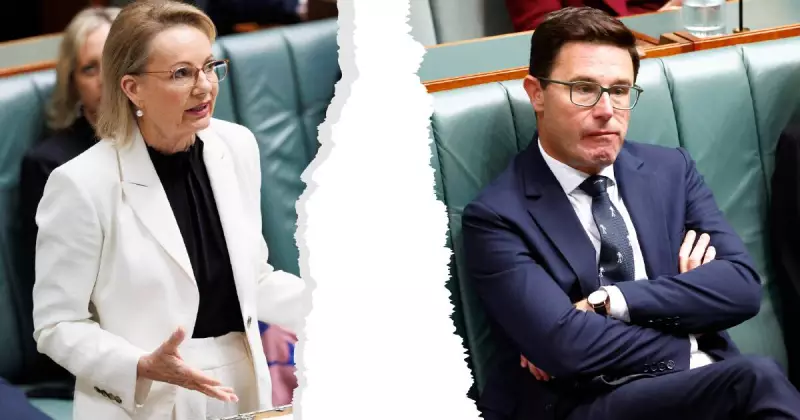
In a dramatic late-night move, Nationals leader David Littleproud has declared the Coalition officially split after he and eight party members resigned en masse from the opposition frontbench. The decision followed a crisis meeting on Wednesday night, triggered by Opposition Leader Sussan Ley's disciplinary actions against Nationals senators who broke cabinet solidarity.
‘It’s Done’: Littleproud Confirms Irreparable Split
Mr Littleproud confirmed the rupture in a conversation with Ms Ley early Thursday morning, stating unequivocally that “it’s done” and none of his party would rejoin the frontbench. This marks the second Coalition split in less than a year, highlighting ongoing tensions within the opposition.
“The reality is we are at a juncture where no-one in our ministry could work in a Sussan Ley ministry and my party made that clear,” Mr Littleproud asserted. “That’s why the Coalition was made untenable.” He called on the Liberal Party to reflect on its principles in the wake of the breakdown.

Disciplinary Action Over Hate Speech Bill Triggers Crisis
The mass resignation was precipitated by Ms Ley’s decision to force three Nationals senators – Bridget McKenzie, Ross Cadell, and Susan McDonald – to resign from the frontbench after they voted against Labor’s hate speech bill in the Senate. All four Nationals senators opposed the legislation, which the Liberals helped pass on Tuesday night.
Ms Ley had emphasised that shadow cabinet solidarity “is not optional” and accepted the resignations as appropriate. Mr Littleproud had warned that if the senators were forced out, he and other Nationals frontbenchers would also step down to take “collective responsibility” for the party room decision.
Ley’s Pleas for Unity Fall on Deaf Ears
Despite Ms Ley’s efforts to preserve the Coalition, including urging Mr Littleproud not to walk away and delaying further shadow cabinet changes, the Nationals proceeded with their resignations after a 6pm party room meeting. Ms Ley had argued that maintaining “a strong and functioning Coalition” was in the national interest, but the Nationals deemed her leadership incompatible with their principles.
In a statement, Ms Ley noted that Mr Littleproud’s resignation letter did not explicitly state the Nationals were leaving the Coalition, but the practical effect is a formal split. She also acknowledged the timing, recognising Thursday as a national day of mourning for the Bondi attack and urging focus on grieving Australians.
Historical Context and Leadership Questions
This split echoes the temporary Coalition rupture in May over energy and climate policy, further destabilising the opposition. With the alliance now fractured, questions arise about the Coalition’s leadership and future viability. Former Liberal Prime Minister John Howard backed Ms Ley’s actions, stating she “had no choice” and behaved correctly.
Nationals senator Bridget McKenzie, who resigned earlier in the week, called for “calmer heads to prevail” but acknowledged the principled stand against the hate speech laws. Meanwhile, Queensland Nationals senator Matt Canavan, who also voted against the bill, remains unaffected as a backbencher not bound by cabinet solidarity.
The breakdown underscores the fragility of the Coalition agreement, which requires shadow cabinet solidarity for frontbenchers to vote as agreed by the joint party room. With this foundation shattered, the opposition faces an uncertain path forward as it grapples with internal divisions and external challenges.