Coalition Fractures Over Hate Speech Bill as Littleproud Defends Nationals' Position
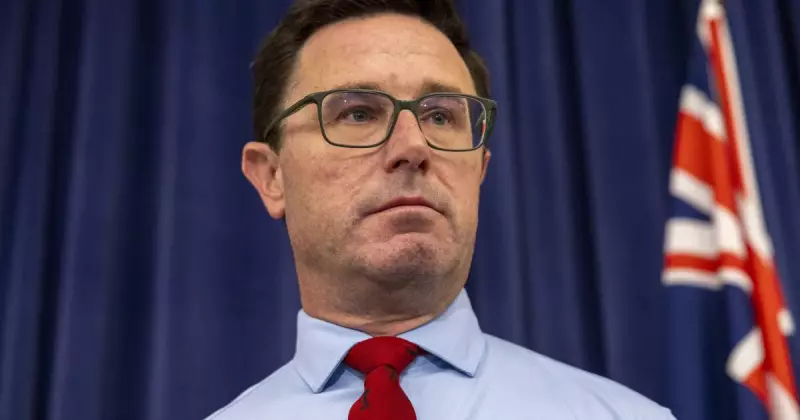
Nationals leader David Littleproud has firmly denied that his party breached shadow cabinet solidarity by crossing the Senate floor, as a bitter blame game erupts over the deepening split within the Coalition. The political fallout intensified after Littleproud handed his resignation to Opposition Leader Sussan Ley, along with those of all other Nationals on her frontbench, declaring the Coalition "untenable".
Littleproud's Defence of Nationals' Sovereignty
In a press conference on Thursday, Littleproud asserted that the Nationals party room made a difficult but principled decision. "This is not an easy decision that our party room made," he told reporters. He claimed there was never a formal shadow cabinet agreement to support the hate speech bill in the form passed by Labor and the Liberals on Tuesday night, when Nationals senators voted against it.
"I made it very clear all the way through I did never believe that there was any shadow cabinet position," Littleproud stated. "I've never been in a cabinet or shadow cabinet where a final decision has been made on a bill that hasn't even been drafted yet, hasn't even been presented yet, and then didn't go through a joint party room."

Contradictory Evidence from McKenzie's Resignation Letter
However, a letter from Nationals leader in the Senate Bridget McKenzie to Sussan Ley appears to contradict Littleproud's account. The letter, seen by The Canberra Times, explicitly states that McKenzie departed from the shadow cabinet's decision to support the government's bill. "The Nationals party room was not convinced by the government's assurances about important provisions in this bill," the letter reads.
It continues, "As a result, while remaining deeply committed to the unity of the team and the authority of shadow cabinet, I was unable to support the decision taken on the legislation on 18 January 2026 to support the bill in its amended form." This revelation has fuelled further scrutiny of Littleproud's claims and heightened tensions within the Coalition.
Leadership Under Fire and Coalition Agreement Strains
The Nationals' exodus from the Coalition frontbench followed Ley's announcement that Senators McKenzie, Ross Cadell, and Susan McDonald would be removed from her shadow cabinet for their rebellion. All four Nationals senators voted against Labor's hate speech bill, which the Liberals helped the Albanese government pass.
As both Littleproud and Ley's leadership were questioned on Thursday, conflicting reports emerged about pre-vote agreements between the parties. Some Liberals have reportedly labelled Littleproud "a compulsive liar," accusing him of caving to internal party pressure and reneging on the shadow cabinet position. Others argue Ley's leadership is untenable for failing to maintain Coalition unity.
The Coalition agreement between the Liberal and National parties mandates shadow cabinet solidarity, requiring frontbenchers to vote as agreed by the joint Coalition party room. Notably, Queensland Nationals senator Matt Canavan faced no reprimand for voting against the bill, as Coalition backbenchers are permitted to cross the floor.
Shadow Cabinet Meeting and Littleproud's Stance
The shadow cabinet met on Sunday night and agreed to back Labor's hate speech bill if certain changes could be secured. Littleproud defended his senators' actions, stating they "had the courage of their conviction and did what our party room decided was the right thing to do." He emphasised that the party could not accept them losing their positions as a consequence.
"We made it very clear that there would be a consequence and that if Sussan Ley accepted those resignations, then that consequence is that the Coalition would be untenable," Littleproud said. "It would be forced into a position that could not continue." He reiterated the Nationals' autonomy, asserting, "The Nationals party is our own sovereign party. Sussan Ley cannot force us to vote one way or another."

The ongoing dispute highlights significant rifts within the Coalition, with the hate speech bill serving as a flashpoint for broader ideological and strategic disagreements. As accusations fly and leadership credentials are tested, the future of the Coalition partnership remains uncertain, casting a shadow over federal opposition politics.