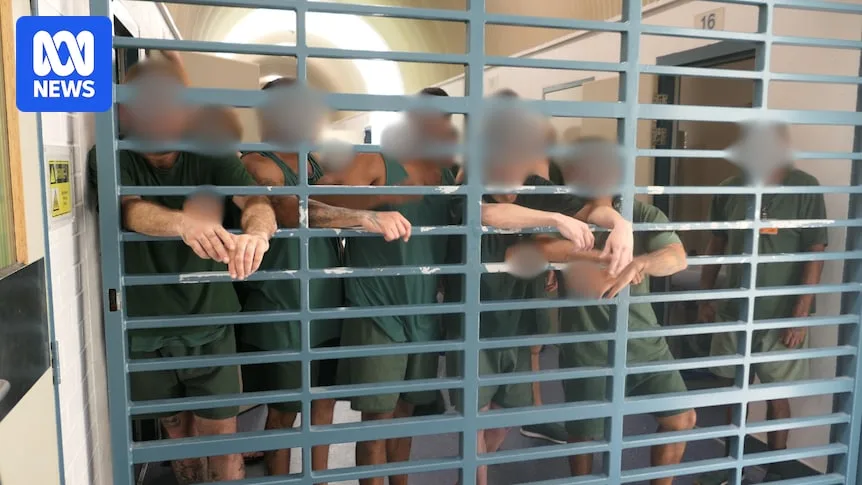
Western Australia's prison overcrowding crisis has deepened as a unit capable of holding more than 100 inmates sits empty, while adult prisons operate at over 101 percent capacity. Unit 18, a makeshift youth detention facility within Casuarina Prison, has been vacant for at least a week, according to a parliamentary question by Greens MP Brad Pettitt.
The unit, which can hold 148 beds, housed just one young person in the last full week of April and none in the week to Tuesday May 5. This comes six months after the WA coroner recommended its urgent closure following the suicide death of 16-year-old Cleveland Dodd.
WA Prison Officers Union secretary Andy Smith said his members are bearing the brunt of the lack of investment, with bunk beds and mattresses on floors now common. The adult prison system is at over 101 percent capacity, partly due to rapid post-COVID population growth and the government's tougher stance on family and domestic violence.

The Justice Department said the low numbers at Unit 18 reflect a deliberate approach to ensure it is used only when necessary. A department spokesperson argued that improvements at Banksia Hill youth detention centre have only been possible because challenging young people could be moved to Unit 18.
The government is building a new $156 million youth detention centre in Perth to replace Unit 18, but it is not due for completion until 2028. Meanwhile, the department is training 400 new prison officers annually and spending $435 million to add 700 beds to Casuarina and Acacia Prisons. Experts warn that larger changes are needed to address the crisis.