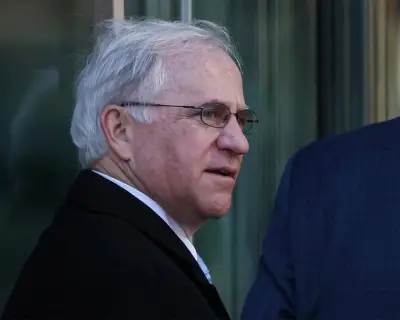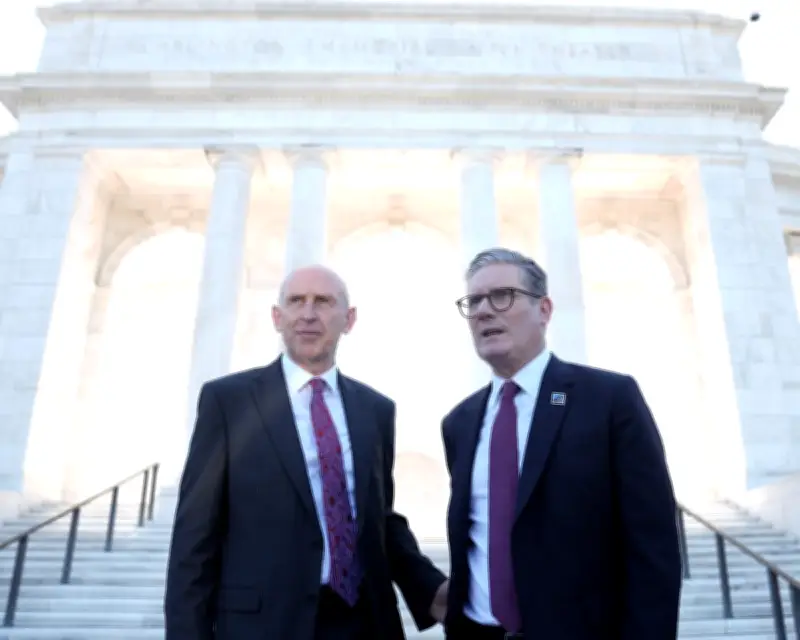
In a stark warning to his colleagues, veteran Labour politician John Healey has cautioned against what he describes as political vultures circling Prime Minister Keir Starmer. Drawing on historical precedents, Healey argues that internal party dissent risks repeating the pattern of previous leaders being undermined from within.
Historical Parallels
Healey, a seasoned figure in Labour politics, points to the downfall of past prime ministers who were weakened by infighting. He emphasises that such behaviour not only damages the party but also erodes public trust in governance. The comments come amid growing speculation about Starmer's leadership, with some within the party questioning his direction.
Starmer's Position
Keir Starmer, who has been Prime Minister since the last general election, faces mounting pressure from both the opposition and factions within his own party. Healey's intervention is seen as an attempt to rally support and quell any moves to destabilise the leadership. He argues that unity is essential for delivering on the party's agenda and maintaining electoral credibility.

Internal Party Dynamics
The Labour Party has a history of internal divisions, and Healey's remarks highlight the delicate balance Starmer must strike. While some MPs advocate for more radical policies, others urge caution to retain centrist voters. Healey warns that succumbing to internal pressures could lead to a repeat of past mistakes, where leaders were ousted before they could fully implement their vision.
Broader Implications
The warning extends beyond party politics, touching on the health of the UK's democratic institutions. Healey suggests that the media and political commentators also play a role in amplifying dissent, which can have destabilising effects. He calls for a more measured approach to political discourse, focusing on policy achievements rather than personal attacks.
As the political landscape continues to evolve, Healey's message serves as a reminder of the dangers of internal strife. Whether his words will be heeded remains to be seen, but the historical lessons he cites are clear: unity is strength, and division is weakness.