The federal government has made a significant retreat on its legislative agenda, temporarily abandoning plans to introduce tougher laws against racial vilification following intense political pressure and a lack of guaranteed support.
Legislative Split Announced
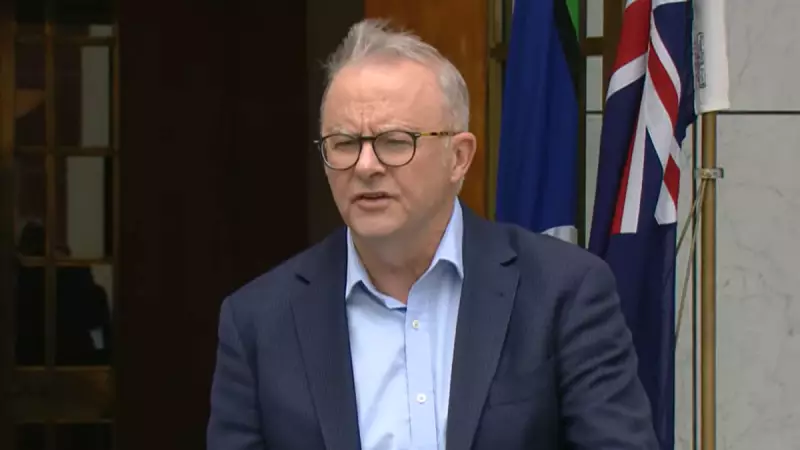
Prime Minister Anthony Albanese confirmed the decision on Saturday, revealing that the government's proposed bill would be substantially altered before it reaches Parliament. The original legislation, which was set to be presented on Monday, will now be split in two.
In a strategic pivot, the government will proceed only with the component related to gun law reforms. The contentious measures aimed at strengthening protections against racial abuse and hate speech have been pulled back for the time being.

Lack of Senate Support Forces Retreat
Albanese stated the primary reason for the withdrawal was clear: the proposed racial vilification changes would not have secured the necessary support in the Senate. This highlights the ongoing challenges of navigating a diverse crossbench in the upper house, where the government does not hold a majority.
The move represents a notable setback for advocates who have been calling for stronger legal mechanisms to combat racism. It underscores the complex political calculus required to pass legislation in the current parliamentary environment.
Focus Shifts to Gun Control
With the racial vilification provisions shelved, the government's immediate focus will now be solely on the gun law reforms scheduled for debate in Parliament on Monday. This component of the bill is expected to face a less contentious path forward, though it will still require careful negotiation.
The decision to separate the bills allows the government to advance a policy area with broader consensus while avoiding a potentially damaging defeat on the more divisive issue of racial vilification. The future timeline for reintroducing the shelved reforms remains uncertain, pending further political discussions and consensus-building.