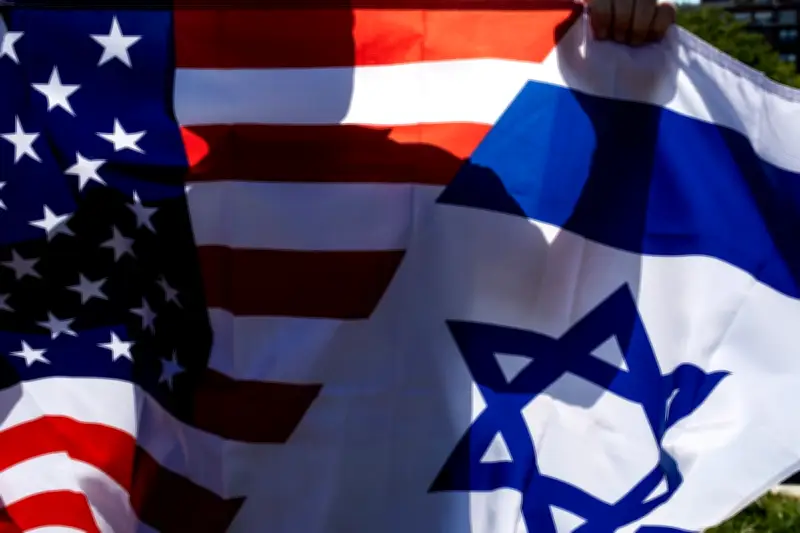
The ongoing war between Israel and Hamas in Gaza is creating a widening rift within the Democratic Party, as progressive and moderate factions clash over US policy toward the conflict. This internal strife is threatening to depress voter turnout and undermine party unity just months before the 2026 midterm elections, according to party strategists and polling data.
Divisions Intensify as Casualties Rise
With the death toll in Gaza surpassing 38,000, according to the Gaza Health Ministry, progressive Democrats have intensified calls for a ceasefire and an end to US military aid to Israel. Representative Alexandria Ocasio-Cortez of New York recently stated, "We cannot continue to fund a war that has killed tens of thousands of civilians. Our constituents are demanding action." In contrast, moderate Democrats, including Senate Majority Leader Chuck Schumer, have urged continued support for Israel's right to self-defense while pushing for humanitarian aid to Palestinians.
A recent poll by the Pew Research Center found that 56% of Democratic voters now believe the US should be more critical of Israel, up from 44% in 2023. This shift is putting pressure on President Joe Biden, who has faced protests at public events and calls from within his own party to change course.

Impact on Key Battleground Districts
The division is most pronounced in swing districts with significant Arab American and Jewish populations. In Michigan's 11th congressional district, which has a large Arab American community, Democratic Representative Haley Stevens is facing a primary challenge from a candidate who accuses her of being too supportive of Israel. Stevens has defended her record, saying, "I support a two-state solution and believe we must work toward peace, but I also stand by Israel's right to defend itself."
In New York's 10th district, which includes parts of Brooklyn and Manhattan, Democratic Representative Dan Goldman has been targeted by progressive activists for his stance. Goldman recently told a local newspaper, "I understand the passion on both sides, but we must not let this issue tear our party apart."
Threat to Voter Turnout
Party strategists warn that the conflict could suppress turnout among key Democratic constituencies, including young voters and Arab Americans. A survey by the Arab American Institute found that 67% of Arab American voters are less likely to vote for a candidate who supports Israel's military actions in Gaza. Meanwhile, a Harvard Youth Poll indicated that 72% of 18-29 year old Democrats disapprove of Biden's handling of the conflict.
"This is a real problem for us," said a senior Democratic strategist who spoke on condition of anonymity. "We need young voters and minority communities to turn out in force, but the war is pushing them away. If we don't address this, it could cost us seats."
Republican Strategy
Republicans are seeking to exploit the Democratic divide, with many candidates emphasizing their support for Israel. The Republican National Committee has launched ads in swing districts accusing Democrats of being "weak on terror" and "abandoning our ally Israel." A recent ad in California's 45th district features images of Hamas attacks and says, "Democrats are divided. We stand with Israel."
However, some Republicans also face internal tensions. A small but vocal minority of libertarian-leaning and far-right figures have questioned US involvement in the conflict, but the party's mainstream remains firmly pro-Israel.
Biden Administration Walk a Tightrope
President Biden has attempted to balance support for Israel with growing humanitarian concerns. The administration has pushed for a ceasefire and increased aid to Gaza, but has stopped short of conditioning military assistance. In a recent press conference, Biden said, "We are working tirelessly to end the violence and protect innocent civilians, while ensuring Israel can defend itself."
The administration's approach has drawn criticism from both sides. Progressive groups have organized protests outside the White House, while pro-Israel organizations have praised Biden's stance but urged him to do more to combat what they call anti-Israel bias in the UN.

Looking Ahead to November
With the midterms approaching, Democratic leaders are scrambling to find common ground. House Minority Leader Hakeem Jeffries has formed a working group to address the issue, but finding a unified message remains elusive. "We need to acknowledge the pain on both sides and focus on a path to peace," Jeffries said in a statement. "Our party must come together to defeat extremism at home and abroad."
As the war continues, the Democratic Party's internal battle over Israel and Gaza is likely to intensify, with potential consequences that could reshape the political landscape for years to come.