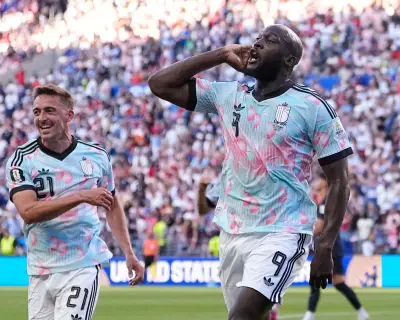
Jude Bellingham's first goal for England against Norway in the World Cup quarter-final has ignited a debate over whether it should have been disallowed due to possible interference from an overhead cable. The goal, which leveled the match just before halftime, saw Bellingham collect a pass from Anthony Gordon and fire past goalkeeper Ørjan Håskjold Nyland.
The Controversial Build-Up
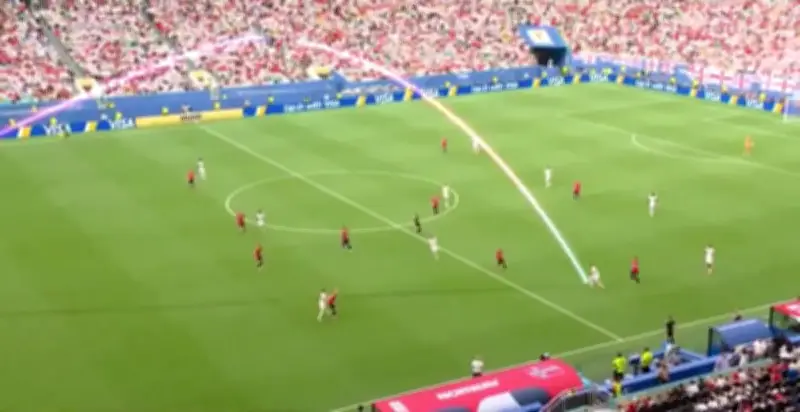
With two minutes of stoppage time played in the first half, Nyland launched a goal-kick from deep in his own half. The ball traveled into England's territory near the touchline, where Elliot Anderson intercepted it. However, the ball's sudden descent mid-air suggested it may have struck an overhead cable used to suspend a robotic camera. Norway's players and coaching staff immediately protested, claiming illegal interference.
Norway's Reaction
Norway's manager, Ståle Solbakken, acknowledged the incident: "Many on the bench reacted immediately. I was not one of them, but many saw it. The ball fell down straight in front of the bench, so it did." Midfielder Sander Berge expressed frustration: "It's ridiculous, this one with the wire. There are small margins and we know which way it went." Nyland ran towards referee Clément Turpin, vehemently arguing that the ball had hit the cable.

Fifa's Response
Fifa released a statement denying any foul play, citing data from the Connected Ball sensor. "Before England's goal … the sensor in the Connected Ball showed no peak in the 'heartbeat of the ball' when in the air, and therefore no evidence that the ball touched the overhead wire and changed the movement of the ball," it read. A 'snicko' reading supported this conclusion. England manager Thomas Tuchel commented: "There is a chip in the ball who can tell you if a hair touches it, so they should be able to tell you if it happened here."
Impact on the Match
The goal stood, and Bellingham added a second in extra time, sending England through to the semi-finals and ending Norway's World Cup campaign. The controversy has sparked widespread debate about the use of technology in football and the potential for such incidents to affect crucial matches.