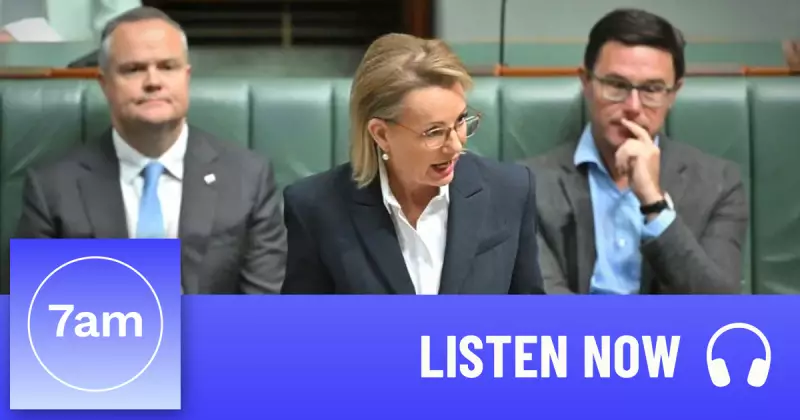
The federal Coalition is grappling with a significant internal rift over proposed hate speech laws, with tensions escalating as the 2026 implementation deadline approaches. Key members of the party have publicly threatened to cross the floor, highlighting deep divisions within the ranks on this contentious issue.
Growing Tensions Within the Coalition
As debate intensifies in Parliament, the Coalition's unity is being tested by the proposed hate speech legislation. Several prominent MPs have voiced strong opposition, arguing that the laws could infringe on free speech and create unintended consequences for public discourse. This internal conflict threatens to undermine the party's position and could lead to a fractured vote when the bill reaches the floor.
Key Figures Threaten to Cross the Floor
Multiple sources within the Coalition have confirmed that at least three senior members are considering crossing the floor to vote against the party line. This rare move would signal a major rebellion and could potentially derail the legislation's passage. The dissenting MPs have reportedly been in discussions with crossbench members, exploring alternative approaches to hate speech regulation that might garner broader support.

2026 Implementation Timeline Adds Pressure
The proposed 2026 implementation date for the hate speech laws is adding urgency to the debate. Proponents argue that timely action is necessary to address rising incidents of hate speech in Australian society, while opponents claim the timeline allows insufficient opportunity for proper consultation and refinement of the legislation. This deadline is forcing the Coalition to confront its internal differences more directly than it has in previous policy debates.
Broader Implications for Australian Politics
The Coalition's split on hate speech laws reflects broader tensions within Australian politics about balancing free speech protections with the need to combat harmful rhetoric. As the 2026 deadline looms, this debate is likely to influence not only the specific legislation but also the Coalition's internal dynamics and its approach to future social policy issues. The outcome could set important precedents for how Australia addresses hate speech in the digital age.