Coalition Unity Shattered by Mass Resignations in Wake of Hate Speech Bill Fallout
What was intended as a strategic move to bolster the Coalition's political standing has instead triggered a profound internal crisis. Prime Minister Anthony Albanese recalled Parliament early to address the Bondi Beach terrorist attack, presenting an opportunity for the opposition. However, the government's hate speech legislation, designed to combat anti-Semitism and passed with Labor and Liberal support but opposed by the Nationals, has exposed deep fissures within the Coalition.
Frontbench Exodus and Leadership Turmoil
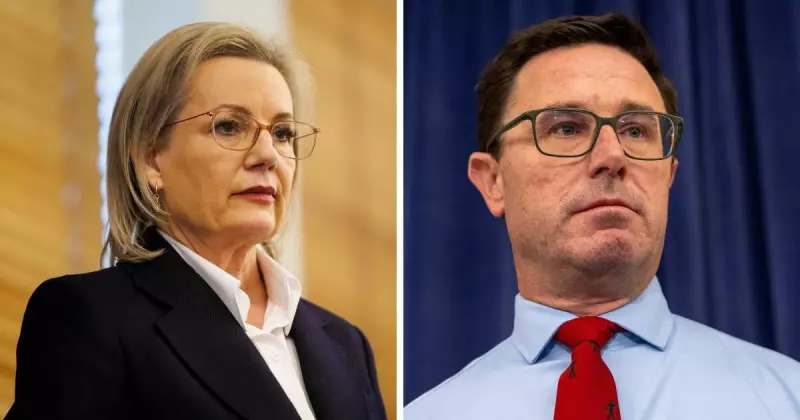
On Wednesday evening, a wave of resignations from the Nationals frontbench, including leader David Littleproud, followed a dramatic mutiny in the Senate. This upheaval stems from Liberal leader Sussan Ley's attempt to reassert control earlier that day by removing three Nationals senators—Bridget McKenzie, Ross Cadell, and Susan McDonald—from her frontbench for breaching cabinet solidarity by voting against the bill.
Ms Ley announced the dismissals via a written media release, conspicuously avoiding a press conference and offering no comment from Mr Littleproud. This move sparked immediate threats of further resignations, plunging the Coalition into chaos. As Nationals members convened to discuss filling the vacant positions, fears of a repeat of last May's climate policy split loomed large.

Struggles for Unity and Leadership Questions
Over the past nine months, Ms Ley has grappled with uniting the Liberal and National parties. Now, the prospect of a cohesive alliance appears increasingly remote. Serious doubts now cloud her future as opposition leader, with her authority significantly undermined by the escalating crisis.
Former Nationals MP Barnaby Joyce, whose One Nation party recently outpolled the Coalition, capitalized on the disarray, inviting his former colleagues to join the far-right movement. Ms Ley initially described the senators' floor-crossing as "an unfortunate circumstance and one that requires action," thanking Mr Littleproud for his understanding.
Attempts at Damage Control and Coalition Fragility
By late evening, Ms Ley's office issued another statement, downplaying the resignations as unnecessary and urging against a permanent fracture. She emphasized that the Liberal Party values the Coalition as an effective political alliance for good governance, noting that Mr Littleproud's letter did not indicate a Nationals departure.
Ms Ley argued that a united front is essential for Australians to perceive a "serious opposition and credible government," asserting that a strong Coalition serves the national interest. Yet, the notion of a functioning opposition capable of holding the government accountable or presenting a viable alternative to voters seems to have disintegrated.
The coming days will undoubtedly focus on extensive damage control, but the Coalition's internal strife raises fundamental questions about its stability and effectiveness in Australian federal politics.