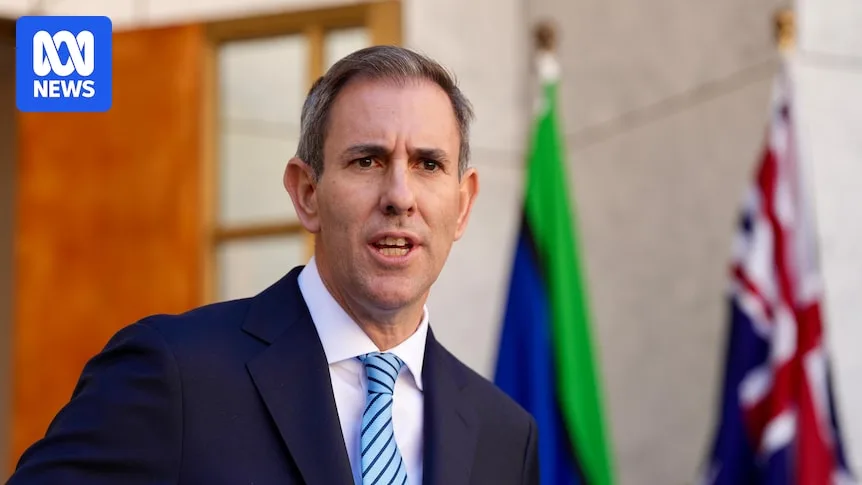
Jim Chalmers Calls on States to Pass On $500 Million GST Windfall Savings
Chalmers Urges States to Pass On $500M GST Windfall

Federal Treasurer Urges States to Share GST Windfall Savings

Federal Treasurer Jim Chalmers has issued a strong call to state governments, urging them to pass on an estimated $500 million in windfall savings from the Goods and Services Tax (GST) to Australian households. This appeal comes amid growing concerns over cost-of-living pressures and economic fairness across the nation.

Details of the GST Windfall

The $500 million windfall arises from recent adjustments in GST revenue distributions, which have exceeded initial forecasts due to stronger-than-expected economic activity and consumption patterns. Chalmers emphasized that this unexpected surplus provides a unique opportunity for states to provide direct relief to citizens struggling with rising expenses.

Chalmers stated, "This is a chance for states to do the right thing by their communities. With households facing high costs for essentials like groceries, energy, and housing, passing on these savings could make a real difference." He highlighted that the federal government is already implementing measures to address inflation and support low-income earners, but state-level action is crucial for a coordinated response.

Wide Pickt banner — collaborative shopping lists app for Telegram, phone mockup with grocery list

State Responses and Economic Context

While some state leaders have acknowledged the windfall, responses have been mixed. States like New South Wales and Victoria have indicated they are considering options, but others have raised concerns about budget constraints and competing priorities. Chalmers argued that the windfall is a result of national economic policies and should benefit all Australians equitably.

The call aligns with broader federal efforts to manage economic challenges, including:

  • Addressing inflation through targeted fiscal policies.
  • Supporting vulnerable populations with social welfare programs.
  • Encouraging collaborative governance between federal and state levels.

Experts note that passing on the savings could help stimulate consumer spending and reduce financial stress, potentially boosting economic resilience in the face of global uncertainties.

Implications for Future Policy

This move by Chalmers sets a precedent for intergovernmental cooperation on fiscal matters. It underscores the importance of transparency and accountability in revenue management, especially during times of economic strain. If states comply, it could lead to:

  1. Enhanced public trust in government spending.
  2. Improved household financial stability.
  3. Stronger partnerships in addressing national issues like cost of living.

As discussions continue, stakeholders are watching closely to see how states will respond to this federal appeal. The outcome may influence future budget negotiations and policy frameworks across Australia.

Pickt after-article banner — collaborative shopping lists app with family illustration