Chalmers Unveils Ambitious Budget Amid Soaring Inflation and Global Recession Fears
Chalmers' Ambitious Budget Amid Soaring Inflation and Recession Fears

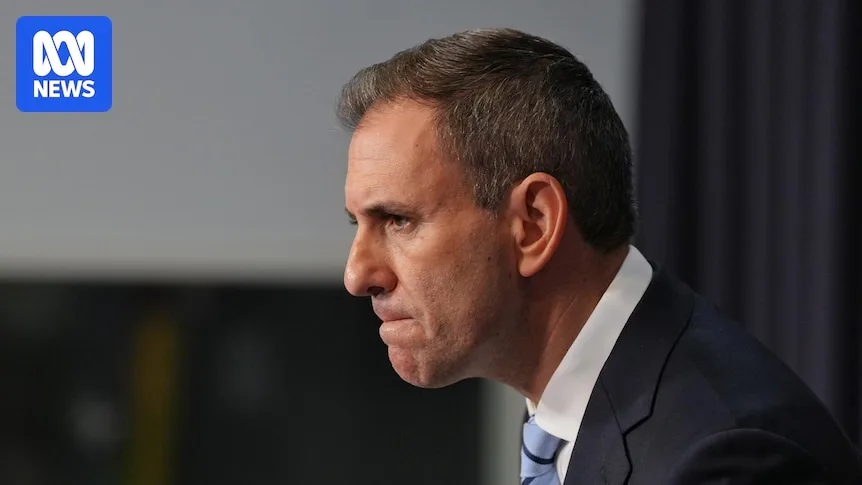
Treasurer Jim Chalmers has unveiled an ambitious federal budget that aims to tackle the rising cost of living while navigating the treacherous waters of soaring inflation and the looming threat of a global recession. The budget, which was presented to Parliament on Tuesday, includes a raft of measures designed to provide immediate relief to Australian households while also laying the groundwork for long-term economic resilience.

Key Budget Measures

The centerpiece of the budget is a significant investment in cost-of-living relief, including increased welfare payments, expanded childcare subsidies, and targeted tax cuts for low- and middle-income earners. Chalmers emphasized that these measures are necessary to help Australians cope with the rising prices of essential goods and services, which have been driven by global supply chain disruptions and domestic inflationary pressures.

Welfare and Childcare

The budget includes a $4.6 billion package to boost welfare payments, with the JobSeeker payment increasing by $40 per fortnight and the Commonwealth Rent Assistance rising by 15%. Additionally, the government will invest $5.4 billion over four years to make childcare more affordable, with the maximum subsidy rate increasing to 90% for families earning less than $80,000 per year.

Wide Pickt banner — collaborative shopping lists app for Telegram, phone mockup with grocery list

Tax Cuts and Energy Relief

Low- and middle-income earners will benefit from an extension of the Low and Middle Income Tax Offset (LMITO), which will provide a tax cut of up to $1,500 for individuals earning between $48,000 and $90,000. The budget also allocates $1.5 billion for energy bill relief, with eligible households receiving a $500 rebate to offset rising electricity costs.

Inflation and Economic Outlook

Despite these generous spending measures, Chalmers warned that inflation is expected to remain high in the short term, with the Consumer Price Index (CPI) forecast to peak at 7.75% by the end of the year. The Treasurer acknowledged that the budget's expansionary fiscal policy could add to inflationary pressures in the near term, but argued that the targeted nature of the relief would minimize the impact.

The budget also factors in the risk of a global recession, with the International Monetary Fund (IMF) downgrading its global growth forecast to 3.2% for 2023. Chalmers noted that Australia is not immune to these global headwinds, but expressed confidence that the country's strong economic fundamentals and the budget's strategic investments would help weather the storm.

Opposition and Criticisms

The opposition has criticized the budget as a "reckless spending spree" that will exacerbate inflation and leave future generations with a higher debt burden. Shadow Treasurer Angus Taylor argued that the government should focus on reducing spending rather than increasing it, warning that the budget's net debt is projected to reach $1.1 trillion by 2026-27.

However, Chalmers defended the budget, stating that it strikes the right balance between providing immediate relief and investing in the future. He highlighted the budget's focus on renewable energy, digital infrastructure, and skills training as key drivers of long-term productivity growth.

Global Context

The budget comes amid a challenging global economic environment, with the war in Ukraine, rising interest rates, and ongoing supply chain disruptions weighing on growth. Chalmers emphasized that the budget is designed to be "responsible and targeted," prioritizing support for the most vulnerable while maintaining fiscal discipline.

The Treasurer also announced a new $1 billion fund to help Australian businesses diversify their supply chains and reduce reliance on China, in response to growing geopolitical tensions. This move is part of a broader strategy to strengthen economic sovereignty and build resilience against external shocks.

Reactions and Analysis

Economists have offered mixed reactions to the budget. Some praised the focus on cost-of-living relief and long-term investments, while others expressed concerns about the potential inflationary impact. The Reserve Bank of Australia (RBA) is closely watching the budget's implications for monetary policy, with further interest rate hikes expected in the coming months.

Pickt after-article banner — collaborative shopping lists app with family illustration

Community groups have welcomed the welfare and childcare measures, but called for more substantial support for low-income households. Business groups, meanwhile, have applauded the infrastructure spending and tax cuts, but urged the government to address labor shortages and regulatory burdens.

As the budget debate unfolds, the government faces the challenge of balancing competing demands while navigating an uncertain economic landscape. With inflation at multi-decade highs and the specter of a global recession looming, Chalmers' ambitious budget will be closely scrutinized in the months ahead.