Australian Medicine Prices Unchanged Despite Trump's 100% Tariff on Pharma Exports
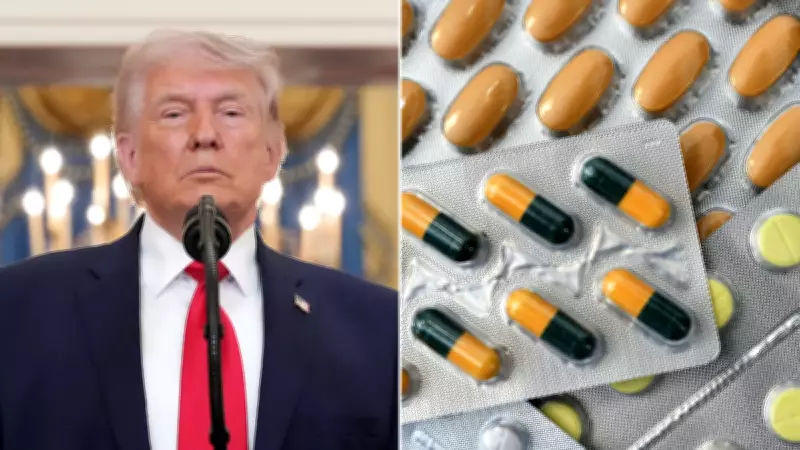
In a rare show of bipartisan unity, both sides of Australian politics have firmly declared that the cost of medicines for Australians will remain unaffected, despite a significant new trade barrier imposed by the United States. US President Donald Trump has recently enforced a 100 per cent tariff on pharmaceuticals, a move that directly targets one of Australia's most valuable export sectors to the US, valued at an impressive $1.6 billion annually.
Government and Opposition Unite on PBS Protection
Health Minister Mark Butler, speaking on the popular morning show Sunrise on Friday, provided clear and unequivocal assurances to the public. He emphasized that the tariffs would have no impact whatsoever on the prices of medicines under the Pharmaceutical Benefits Scheme (PBS), a cornerstone of Australia's healthcare system that has been serving citizens effectively for over eight decades.
"We've said very clearly there is no way we're negotiating about those fundamental elements of the PBS that has served Australia so well for 80 years," Butler stated firmly. "There's no way we're negotiating about that." He further explained that the government's immediate priority is to safeguard Australian exporters who have been adversely affected by this sudden policy shift.

"Our immediate concern, obviously, is our great exporters that have been sending product to America for many years, for 20 years under a free trade agreement, with no tariffs," Butler added, highlighting the long-standing trade relationship that has now been disrupted.
Coalition Support for Exemptions and Free Trade Principles
Opposition Leader Angus Taylor also appeared on Sunrise, echoing the sentiment that the tariff is an unwelcome development. He confirmed that the Coalition would actively support government efforts to secure exemptions for Australian pharmaceutical companies, demonstrating a collaborative approach in the face of external economic pressures.
"We want to see free trade. I'm a strong believer that that's ultimately good for Australians, and that includes in pharmaceuticals," Taylor asserted. "We'll work with the government to do anything we have to to get it overturned or get an exemption for Australian exporters." This bipartisan stance underscores a shared commitment to protecting both domestic consumers and international trade interests.
Confidence in Exemptions for Major Exporters
Butler expressed optimism about the potential for exemptions, particularly for Australia's largest pharmaceutical exporter, which maintains substantial manufacturing operations within the United States. He indicated that the government is confident this key player could be granted an exemption from the tariff, which would mitigate some of the economic impacts on the export sector.
This development comes at a critical time for Australian-US trade relations, with the pharmaceutical industry being a significant component. The assurance from both political leaders provides much-needed stability for Australian patients who rely on affordable medicines, while efforts continue to address the challenges faced by exporters in this $1.6 billion market.