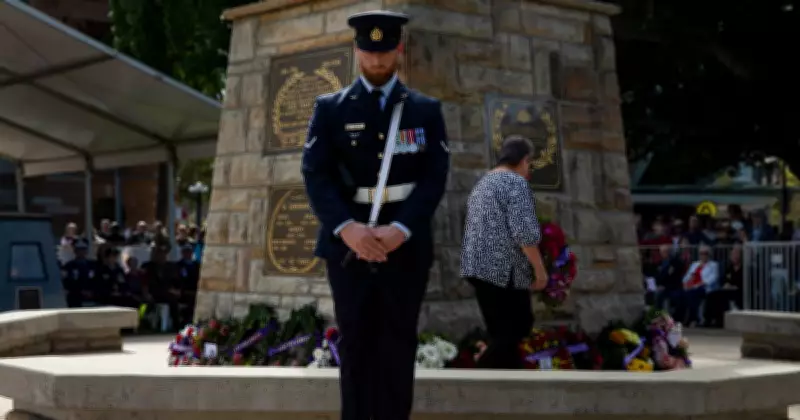
The Enduring Legacy of ANZAC Day
ANZAC Day, observed annually on April 25, stands as one of Australia's most significant national occasions. It marks the anniversary of the first major military action fought by Australian and New Zealand forces during World War I. The day has evolved into a solemn remembrance of all Australians who have served and died in military operations. But beyond its historical roots, ANZAC Day has become a cornerstone of Australia's national identity, embodying values such as courage, mateship, and sacrifice.
The Gallipoli campaign, which began on April 25, 1915, was a defining moment for the newly federated nation. Although the campaign was a military failure, the bravery and resilience displayed by the ANZACs forged a powerful national myth. This myth has been passed down through generations, shaping how Australians view themselves and their place in the world.
The Spirit of the ANZACs
The term 'ANZAC' itself has become synonymous with certain qualities: endurance, courage, ingenuity, good humor, and mateship. These traits are often cited as central to the Australian character. The ANZAC spirit is not just about war; it's about the ability to face adversity with strength and solidarity. This spirit is celebrated in the annual dawn services, marches, and two-up games that take place across the country on ANZAC Day.

For many Australians, the day is a time for reflection on the costs of war and the value of peace. It is also a moment to honor the service of veterans and current military personnel. The commemorative events are deeply moving, with the silence at dawn creating a powerful connection to the past.
ANZAC Day and National Identity
ANZAC Day has played a crucial role in defining Australian nationhood. In the early 20th century, Australia was still a young federation, and the Gallipoli campaign provided a shared experience that helped forge a distinct national identity. The courage of the ANZACs was seen as evidence of a unique Australian character, separate from British influences.
Today, ANZAC Day continues to be a unifying force. It transcends political divisions and brings together people from all walks of life. The day is marked by a sense of communal grief and pride, reinforcing the bonds that hold the nation together. The rituals of remembrance, such as laying wreaths and playing the Last Post, are deeply ingrained in Australian culture.
Modern Commemorations and Controversies
While ANZAC Day remains widely respected, it has also been the subject of debate. Some critics argue that the day glorifies war or that its focus on the military aspect of Australian history overshadows other important narratives. Others have raised concerns about the commercialization of the day or the pressure to conform to a particular view of patriotism.
Despite these controversies, the core meaning of ANZAC Day endures. For most Australians, it is a day of respect and remembrance, not of glorification. The increasing attendance at dawn services, particularly among young people, suggests that the ANZAC spirit remains relevant. Schools and communities actively educate new generations about the significance of the day, ensuring its legacy continues.
The Future of ANZAC Day
As the last veterans of World War II pass away, the nature of commemoration is changing. There is a growing emphasis on remembering all conflicts, including peacekeeping missions and recent wars in the Middle East. The digital age has also transformed how people engage with ANZAC Day, with online tributes and virtual services becoming more common.
Yet, the fundamental purpose of ANZAC Day remains unchanged: to honor those who have served and to reflect on the true cost of war. It is a day that challenges Australians to consider what it means to be part of a nation, with all its shared history and collective responsibility. In this way, ANZAC Day continues to shape Australia's identity, reminding its people of the values that define them.