Prime Minister Anthony Albanese Engages with Brunei Sultan and Malaysian Counterpart to Bolster Critical Supplies
Prime Minister Anthony Albanese is set to meet with one of the world's wealthiest individuals and longest-serving monarchs in a strategic move to reinforce Australia's fuel and fertiliser supplies during an escalating global oil crisis. On Tuesday, Mr Albanese will travel to the Kingdom of Brunei for a private audience with Sultan Haji Hassanal Bolkiah, followed by discussions with Malaysian Prime Minister Anwar Ibrahim later in the week. This visit, initially disclosed by The West Australian earlier this month, underscores the government's proactive efforts to address supply chain vulnerabilities.
Strengthening Ties with Brunei Darussalam for Energy Security
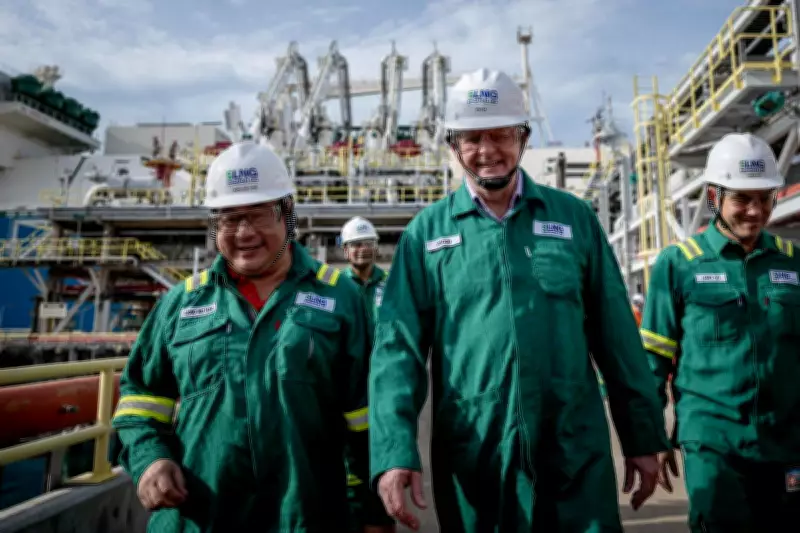
During his stopover in Brunei Darussalam, a nation renowned for its oil wealth, Mr Albanese will engage with Sultan Haji Hassanal Bolkiah, who has ruled since 1967 and boasts a personal fortune estimated at up to $50 billion. Brunei supplies 9 per cent of Australia's diesel imports and 11 per cent of its fertiliser-grade urea imports, while Australia serves as a key provider of food and agricultural products to this small Borneo-based nation. The Prime Minister emphasised the importance of this partnership, stating, "Engaging with critical regional partners such as Brunei Darussalam and Malaysia will help ensure Australia's energy supply remains secure during times of uncertainty."
Collaborating with Malaysia to Ensure Fuel and Fertiliser Flow
Later in the week, Mr Albanese will meet Prime Minister Anwar Ibrahim in Kuala Lumpur to discuss fuel and other essential goods supplies. Malaysia is Australia's third-largest source of refined fuel and contributes 10 per cent of fertiliser-grade urea imports, with Australia supplying 95 per cent of Malaysia's imported natural gas. Amid the ongoing Middle East conflict, Malaysia has emerged as a friendly nation facilitating toll-free passage for crude cargoes through the Strait of Hormuz from Iran. Foreign Minister Penny Wong, who will accompany Mr Albanese, highlighted the shared challenges, noting, "Working with our regional partners matters more than ever because energy security in our region is a shared challenge."

Government Actions to Mitigate Economic Impacts
The government is taking comprehensive steps to shield Australians from the war's effects, including recent fuel excise cuts and upcoming tax cuts. Agriculture Minister Julie Collins addressed concerns about potential price increases, acknowledging that grocery prices could rise by 3 to 4 per cent based on Treasury estimates due to high input costs. She stated, "We know there will be a flow through in the economy and ... we're doing everything we can to shield Australians as much as we possibly can." However, she downplayed fears of 20 per cent price hikes by Anzac Day, attributing uncertainties to the conflict's unpredictable nature.
Industry Perspectives and Supply Chain Challenges
Producers and independent supermarkets have warned that fertiliser shortages and rising fuel costs could drive product prices up significantly if additional supplies are not secured. WAFarmers' Livestock Section President Geoff Pearson praised the government's move to diversify supply channels but stressed the urgency, saying, "Timing is critical. If we rely on a single source it's definitely in Australia's favour to source other markets." Farmers are already grappling with higher diesel expenses, and with Australia reliant on imports until the Perdaman urea fertiliser plant near Karratha becomes operational mid-next year, securing alternative sources is paramount. A recent unplanned outage at Yara Australia's Pilbara plant further strained fertiliser supplies, highlighting the fragility of current systems.

Global Context and Future Outlook
The International Rescue Committee has issued warnings about fuel and fertiliser shortages exacerbating global food security crises, with President David Miliband describing a "ticking food security timebomb." Despite these challenges, Ms Collins reaffirmed Australia's relative food security, noting, "Australia does produce more food than we consume. But obviously there are critical points along that supply chain." The government continues to engage with Southeast Asian nations like Indonesia and Malaysia to bolster long-term supplies, aiming to maintain stability in the face of ongoing geopolitical tensions.