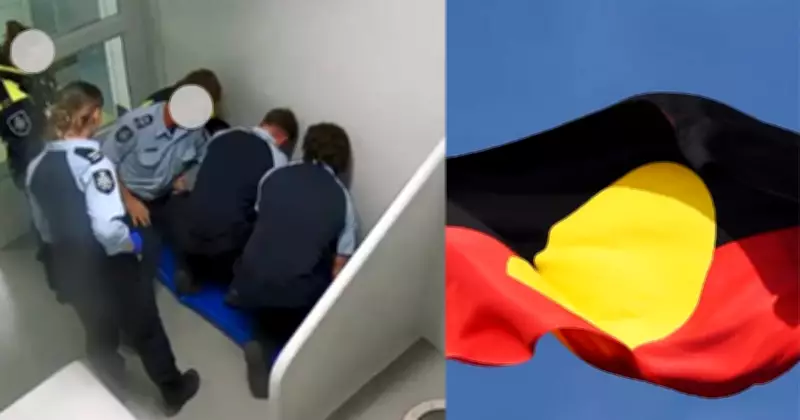
The ACT Government has firmly rejected calls for a formal inquiry into the conditions and operations of police watchhouses in the territory. The opposition had demanded an independent investigation following reports of overcrowding, inadequate facilities, and concerns over detainee welfare. However, the government maintains that existing oversight mechanisms are robust and effective.
Government's Stance on Oversight
Attorney-General Shane Rattenbury stated that the current system, which includes regular inspections by the Official Visitor and the ACT Human Rights Commission, provides sufficient scrutiny. He emphasized that any additional inquiry would be redundant and a waste of public resources. The government also highlighted recent upgrades to watchhouse facilities, including improved ventilation and increased access to health services.
Opposition's Concerns
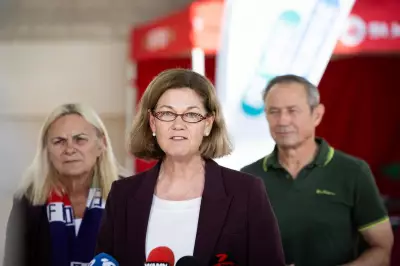
Opposition Leader Elizabeth Lee argued that the government is avoiding accountability. She pointed to multiple incidents of detainee self-harm and complaints about lack of basic amenities. The opposition's proposed inquiry would have examined staffing levels, training, and the handling of vulnerable detainees, including those with mental health issues. Lee stated that the government's refusal to act shows a lack of transparency.

Community Reactions
Civil liberties groups have expressed disappointment with the decision. The ACT Council of Social Service (ACTCOSS) called for an independent review, citing systemic issues that require external examination. Some former detainees have shared their experiences of harsh conditions and insufficient care. However, the government remains resolute, insisting that the watchhouses meet all legal standards and that detainee rights are protected.
Future Steps
The government will continue to monitor watchhouse operations through existing channels. It has committed to publishing annual reports on watchhouse conditions and has promised to consider any recommendations from the Official Visitor. The opposition has vowed to keep the issue on the political agenda, potentially raising it during budget estimates hearings. The debate reflects broader tensions over government accountability and the treatment of individuals in custody.