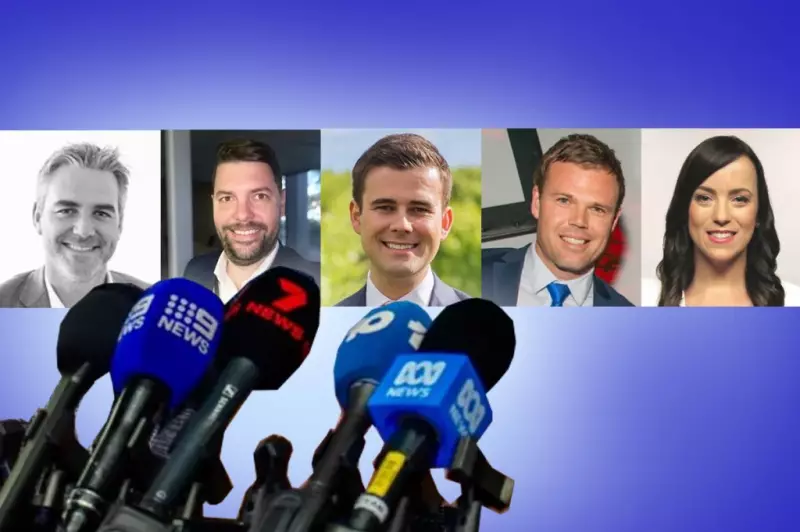
Political commentator Mike Smithson has highlighted a significant shift in South Australia's media landscape ahead of the state election campaign. He notes that both major political parties have successfully recruited several top-tier journalists to lead their strategic communications, raising questions about the depth of independent reporting left in the press gallery.
The Migration from Newsrooms to Spin Rooms
According to Smithson, the traditional lines between journalism and political advocacy are blurring. The Labor Party has enlisted the talents of former journalists Tom Richardson, Nick Harmsen, and Adam Todd. On the opposing side, the Liberal Party's media strategy is now being shaped by Ben Avery. Labor's team is further bolstered by Jemma Chapman.
This exodus of experienced reporters into the "spin doctor fold," as Smithson terms it, represents a substantial brain drain from newsrooms. These individuals bring with them not only media savvy but also deep insider knowledge of how news is gathered and reported, which parties are leveraging to craft their election narratives.

Impact on Election Coverage and Public Discourse
Smithson's central concern, articulated in early January 2026, is for the journalists who remain in traditional reporting roles. With so many seasoned colleagues now working to manage and control the news cycle for the parties, the remaining press corps faces a more challenging environment. They must navigate a campaign where the opposing media teams are led by former peers who understand their methods intimately.
This dynamic potentially makes it harder to cut through polished political messaging and could lead to a more managed and less scrutinised election campaign. The phenomenon underscores the professional crossroads in modern media, where the skills of a journalist are highly valued in political strategy, sometimes at the expense of the fourth estate's traditional watchdog function.
A New Era of Political Communication in SA
The recruitment drive by Labor and Liberal signals a new level of sophistication in political media management in South Australia. It reflects a national trend where political operations increasingly mirror media organisations, complete with rapid-response units and content production geared for digital platforms.
As the state election campaign progresses, the effectiveness of these high-profile media teams will be tested. Their success or failure could influence future political hiring strategies. Meanwhile, the public and the remaining independent journalists will be watching to see if this concentration of media talent in party headquarters enriches or diminishes the quality of democratic debate.