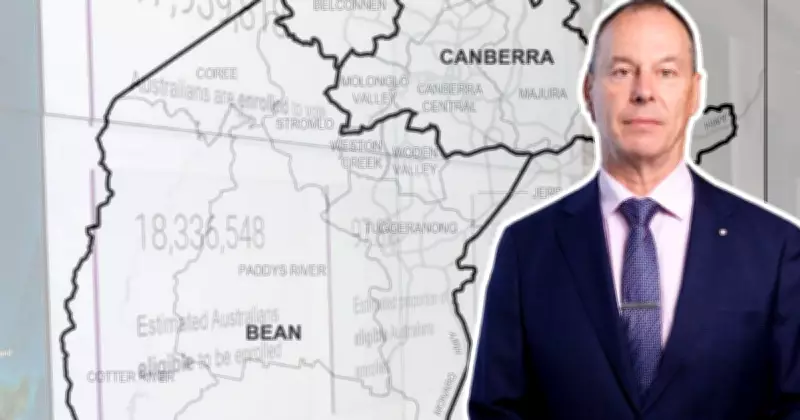
ACT Electoral Boundaries Undergo Major Redistribution
The Australian Capital Territory is experiencing a substantial electoral boundary redistribution, with new data revealing that approximately one in ten voters will be shifted to different electorates. This significant change is set to impact the political landscape ahead of the 2024 election, as the redistribution aims to ensure fair representation across the territory's growing population.
Key Details of the Boundary Redraw
The redistribution process, conducted by the Australian Electoral Commission, involves adjusting the boundaries of the ACT's five electorates: Canberra, Fenner, Bean, Canberra, and the newly named electorate of Murrumbidgee. The changes are necessary to address population imbalances, with some areas experiencing rapid growth while others remain stable. According to the latest figures, around 10% of ACT voters will find themselves in a new electorate, affecting their local representation and voting processes.
The primary goal of this redistribution is to maintain the principle of one vote, one value, ensuring that each electorate has a similar number of voters. This is crucial for democratic fairness, as it prevents any single area from having disproportionate influence. The ACT's population has increased by over 20,000 residents since the last boundary review, necessitating these adjustments to reflect current demographic trends.

Implications for Voters and Political Parties
For voters, the boundary changes mean that some individuals will receive new electoral materials, including updated voter registration information and polling place details. It is essential for affected residents to check their enrolment status to avoid confusion on election day. Political parties are also closely monitoring the redistribution, as it could alter the composition of electorates, potentially shifting the balance of power in marginal seats.
The redistribution is expected to be finalized by early 2024, giving parties and voters ample time to adapt. Analysts suggest that the changes may benefit certain candidates or parties, depending on the demographic shifts in each electorate. For instance, areas with a higher concentration of young families or retirees could see different political priorities emerge, influencing campaign strategies.
Broader Context and Historical Precedents
This is not the first time the ACT has undergone electoral boundary changes; similar redistributions occur periodically to account for population movements. However, the current shift is notable for its scale, affecting a larger proportion of voters than in previous years. The ACT's unique status as a territory with federal representation adds complexity to the process, as boundaries must align with both local and national electoral requirements.
In summary, the ACT electoral boundary redistribution is a critical step in ensuring democratic integrity, with one in ten voters set to experience a change in their electorate. As the 2024 election approaches, both voters and political stakeholders must stay informed to navigate these adjustments effectively.