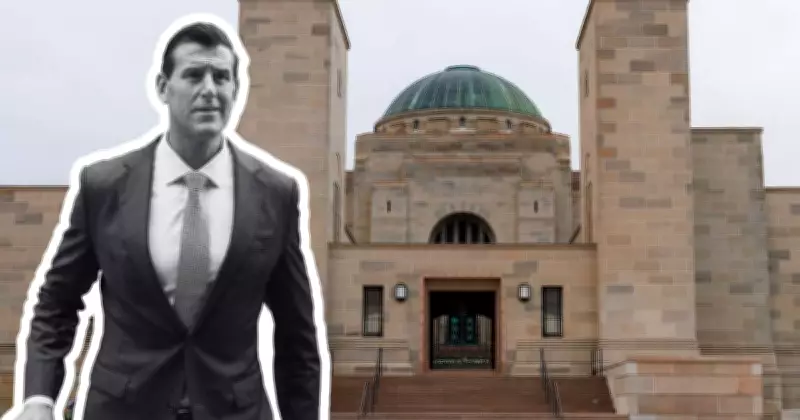
Australian War Memorial Issues Statement on Ben Roberts-Smith Case
The Australian War Memorial has publicly responded to recent developments in the high-profile defamation case involving former Special Air Service (SAS) soldier Ben Roberts-Smith. In an official statement released this week, the memorial's management addressed the ongoing legal proceedings and their potential implications for the institution's historical records and public exhibitions.
Commitment to Historical Accuracy and Integrity
The War Memorial emphasized its unwavering dedication to preserving and presenting Australia's military history with the utmost accuracy and integrity. Officials stated that the institution closely monitors all relevant legal cases and public discussions to ensure its collections and narratives remain fact-based and respectful of the nation's service personnel.
The memorial's response comes amid heightened media attention and public scrutiny surrounding Roberts-Smith's defamation lawsuit against several media outlets. The case has sparked widespread debate about military conduct, accountability, and the commemoration of Australia's armed forces.

Ongoing Review of Exhibits and Records
As part of its statement, the War Memorial confirmed that it continuously reviews and updates its exhibits, archival materials, and educational programs to reflect the latest historical research and verified information. This process includes assessing how individual stories and events are portrayed within the memorial's galleries and digital resources.
The institution highlighted that any changes to its displays or records would be made carefully and transparently, in consultation with historians, veterans, and the broader community. This approach aims to balance the need for historical truth with respect for those who have served.
Broader Implications for Military Commemoration
The developments in the Ben Roberts-Smith case have raised important questions about how Australia commemorates its military history, particularly regarding conflicts in Afghanistan and other modern theaters. The War Memorial's statement acknowledges these complexities and reaffirms its role as a place of reflection, education, and remembrance for all Australians.
Officials noted that the memorial remains committed to fostering a nuanced understanding of Australia's military past, including both its triumphs and its challenges. This includes addressing difficult aspects of history while honoring the sacrifices of service members.
In conclusion, the Australian War Memorial's response underscores its proactive stance in navigating the evolving landscape of military history and public commemoration. As the legal proceedings continue, the institution pledges to uphold its standards of integrity and provide a respectful space for national memory.