Concerns are mounting over whether Australia's ageing Collins-class submarines can remain operational for another ten years, as planned upgrades at South Australia's shipyard—worth billions of dollars—are being scaled back.
Upgrade reductions spark alarm
The scaling back of the upgrade program at the Osborne shipyard has raised serious questions about the viability of extending the life of the Collins-class fleet. Originally, the upgrades were intended to ensure the submarines could continue to serve effectively until the arrival of the new nuclear-powered submarines under the AUKUS pact.
Political reactions
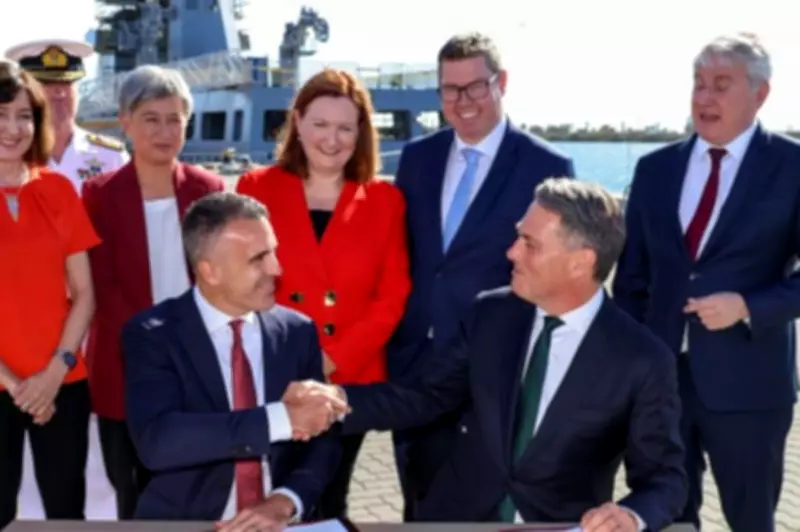
Premier Peter Malinauskas, along with Defence Minister Richard Marles and Foreign Minister Penny Wong, were present at Osborne in 2023 when the nuclear submarine deal was signed. Now, the reduced scope of work has prompted calls for greater transparency and a reassessment of the timeline for the Collins-class retirement.

Experts warn that without comprehensive upgrades, the submarines may face increased mechanical failures and reduced capability, potentially compromising national security. The Australian government has yet to provide a detailed plan on how it intends to manage the transition period.
- Ageing fleet: The Collins-class submarines have been in service since the 1990s and require extensive maintenance to remain seaworthy.
- Financial implications: The scaled-back upgrades could save costs in the short term but may lead to higher expenses if emergency repairs become necessary.
- Strategic importance: A reliable submarine fleet is critical for Australia's defence posture in the Indo-Pacific region.
The Defence Department has stated that it is committed to ensuring the Collins-class submarines are safely maintained, but acknowledged the challenges posed by an ageing platform. Further announcements on the upgrade program are expected in the coming months.