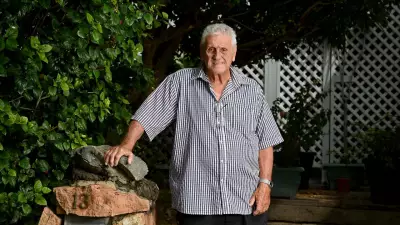
In a significant move for Australia's naval defence capabilities, Vice Admiral Jonathan Earley has been officially appointed as the new Chief of the Royal Australian Navy's submarine force. The announcement, made on Friday, marks a pivotal leadership change as the nation embarks on its ambitious transition to a nuclear-powered submarine fleet under the AUKUS security pact.
A Seasoned Commander Takes the Helm
Vice Admiral Earley, a highly decorated officer with extensive experience in undersea warfare, steps into the role with immediate effect. He succeeds Rear Admiral Stephen Hughes, who has led the submarine service since 2022. The leadership change was confirmed by Chief of Navy, Vice Admiral Mark Hammond, who expressed full confidence in Earley's ability to guide the force through its most significant transformation in decades.
Vice Admiral Earley's career is deeply rooted in submarine operations. He previously served as the Deputy Chief of Navy and as the Commander of the Australian Fleet. His operational background includes command of the Collins-class submarine HMAS Farncomb and key roles in maritime capability development. This deep operational and strategic experience is seen as critical for the challenges ahead.

Steering the AUKUS Nuclear Submarine Transition
The appointment comes at a crucial juncture for the Royal Australian Navy. The core mission for the new submarine chief will be overseeing the implementation of the AUKUS pathway, which will see Australia acquire conventionally armed, nuclear-powered submarines. This multi-decade plan involves several phases:
- Increased visits and rotational presence of US and UK nuclear-powered submarines to Australia, starting from 2027.
- The acquisition of at least three Virginia-class submarines from the United States in the early 2030s.
- The construction of a new class of nuclear-powered submarines, the SSN-AUKUS, to be built in the UK and Australia, with the first Australian-built boat expected in the 2040s.
Vice Admiral Earley will be responsible for building the workforce, infrastructure, and safety culture required to operate and sustain a nuclear-powered fleet. This includes the monumental task of training Australian sailors and establishing a new domestic industrial base, while simultaneously maintaining the operational readiness of the existing Collins-class fleet.
Implications for National Security and Industry
The leadership of the submarine force has never carried greater weight. The nuclear submarine program represents the largest and most complex defence project in Australia's history. Earley's role will extend beyond military command into the realms of deep industry partnership, international diplomacy under the AUKUS framework, and maintaining public confidence in the nation's strategic direction.
Defence Minister, the Honourable Richard Marles, emphasised that the appointment ensures continuity and expert leadership for this critical national endeavour. The government has reiterated its commitment to the submarine program as the cornerstone of Australia's future undersea warfare and deterrence capabilities in the Indo-Pacific region.
Vice Admiral Earley assumes command as the Royal Australian Navy prepares for a future defined by advanced technology and strategic complexity. His leadership will be instrumental in navigating the technical, personnel, and geopolitical challenges of delivering a sovereign nuclear-powered submarine capability for Australia.