The Australian Government has unveiled its most significant defence restructuring in decades, a move designed to ensure taxpayers get maximum value from the nation's multi-billion dollar military budget. The sweeping reforms, announced on Tuesday, follow the landmark Defence Strategic Review and aim to cut bureaucratic delays and redirect funds towards critical war-fighting capabilities.
Core Reforms and Strategic Shifts
The centrepiece of the overhaul is a fundamental shift in how defence projects are managed and funded. A new, streamlined capability acquisition process will be established to replace the current system, which has been criticised for cost blowouts and lengthy delays. The government plans to redirect up to $50 billion over the next decade from lower-priority areas into programs that directly enhance the Australian Defence Force's (ADF) firepower and readiness.
Key to this is the creation of a new Australian Strategic Readiness and Sustainability Agency. This body will take charge of maintaining and sustaining the ADF's complex weapons platforms and systems, a task previously spread across multiple groups. The goal is to ensure naval vessels, fighter jets, and army vehicles are available for service when needed, rather than sitting idle awaiting maintenance.

Furthermore, the government will establish a Defence Industry and Innovation Policy Office within the Department of Defence. This office is tasked with forging stronger, more strategic partnerships with local and international defence companies, ensuring Australian industry can better support the ADF's needs and contribute to sovereign capability.
Addressing the "Valley of Death" and Future Challenges
A major focus of the plan is tackling the so-called "valley of death" – the gap between developing new defence technology and actually delivering it to the troops. The reforms aim to bridge this gap by fostering closer collaboration between the Defence department, scientists at the Defence Science and Technology Group, and private industry.
The restructure also responds to the urgent findings of the Defence Strategic Review, which warned of the rapidly changing strategic environment in the Indo-Pacific region. The government states the changes are essential to build a more focused, integrated, and potent defence force capable of deterring potential adversaries and protecting Australia's national interests.
Deputy Prime Minister and Defence Minister Richard Marles emphasised that the overhaul is not about simply spending more money, but spending it more wisely. "This is about getting the best possible capability for our Defence Force and the best possible value for every dollar of taxpayers' money," he stated. The changes are expected to be implemented progressively, with the new agencies to be operational in the coming years.
Implications for Spending and Capability
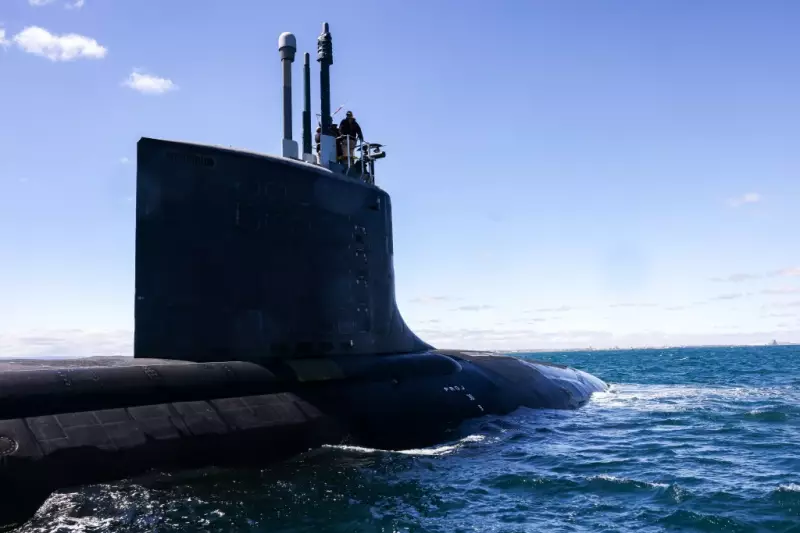
The financial implications are substantial. By re-prioritising the $330 billion Integrated Investment Program, the government intends to free up billions for high-priority projects. This likely means accelerated investment in long-range strike missiles, nuclear-powered submarines under the AUKUS pact, and advanced surveillance systems, while scaling back or cancelling less critical programs.
Defence experts have largely welcomed the announcement, noting that bureaucratic inertia has long been identified as a key obstacle to modernising the ADF. The success of the reforms, however, will depend on effective execution and sustained political commitment to overcome institutional resistance to change within the massive Defence organisation.
In summary, this comprehensive shake-up represents a determined effort by the Australian Government to translate defence dollars into real military power more efficiently. As regional tensions rise, the ability to swiftly deliver cutting-edge capability to the ADF is now framed as a non-negotiable imperative for national security.