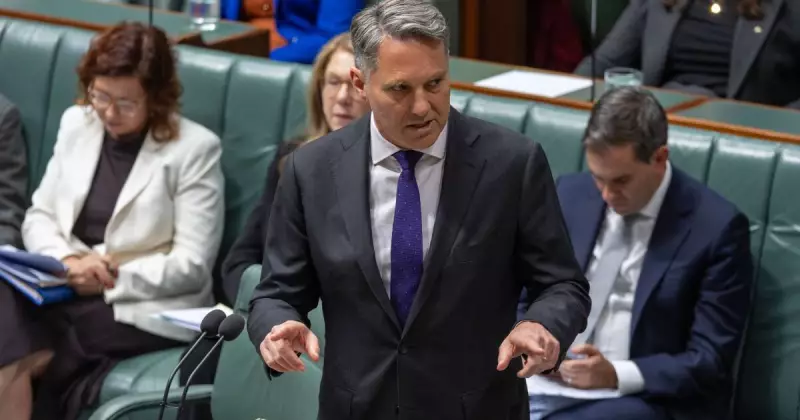
In the most significant shake-up of Australia's defence infrastructure in over half a century, the Albanese government has unveiled sweeping reforms to its defence department structure. The transformation comes as the nation prepares to inject an additional $70 billion into military spending over the coming decade.
New Defence Delivery Agency to Lead Transformation
Central to this historic restructure is the establishment of a new Defence Delivery Agency, which will take charge of overseeing major defence projects with the explicit goal of preventing the cost blow-outs and lengthy delays that have plagued previous initiatives. The agency is scheduled to commence operations on July 1, 2025, before transitioning to full independent status exactly one year later.
Acting Prime Minister and Defence Minister Richard Marles emphasised the critical timing of these changes, stating they would ensure the Australian Defence Force receives necessary capabilities both rapidly and within budgetary constraints. "As the Albanese government makes the biggest ever peacetime investment in Defence, it is important that we put in place the structures and systems to ensure Australia's Defence Force can deliver the capabilities we need at speed and within budget," Mr Marles declared.
Strengthening Accountability and Efficiency
The newly formed agency will be led by a national armaments director, who will provide crucial advice to government on acquisition strategies and project delivery following approval. It will report directly to ministers and maintain control over its own budget, signalling a significant shift in defence project management.
Defence Industry Minister Pat Conroy highlighted the broader industrial benefits, noting the agency would "help ensure our industrial base is resilient, innovative and aligned with our strategic priorities." He further explained that the "increasing complexity of Defence capabilities, systems and platforms requires a systematic rethink of capability development and delivery system."
The integration will bring together three existing defence groups:
- Capability, acquisition and sustainment
- Guided weapons and explosive ordinance
- Naval shipbuilding and sustainment
Strategic Alignment with National Defence Priorities
This comprehensive overhaul arrives as Australia progresses with the landmark AUKUS submarine agreement, representing one of the most substantial defence partnerships in the nation's history. The restructuring aims to centralise capability development functions, ensuring clearer prioritisation, streamlined decision-making processes, and enhanced accountability for new capability proposals.
According to government statements, the changes are designed to deliver superior project and budget management, more accurate cost estimation, and stronger assurance mechanisms throughout a project's entire lifecycle. The government has indicated that work on implementing these changes, including detailed agency design and stakeholder consultation, will begin immediately.
Mr Conroy reinforced that these reforms are fundamentally about "setting Defence up for success so we can modernise the ADF in line with the National Defence Strategy" while creating more opportunities for Australian businesses and workers to contribute to national security.