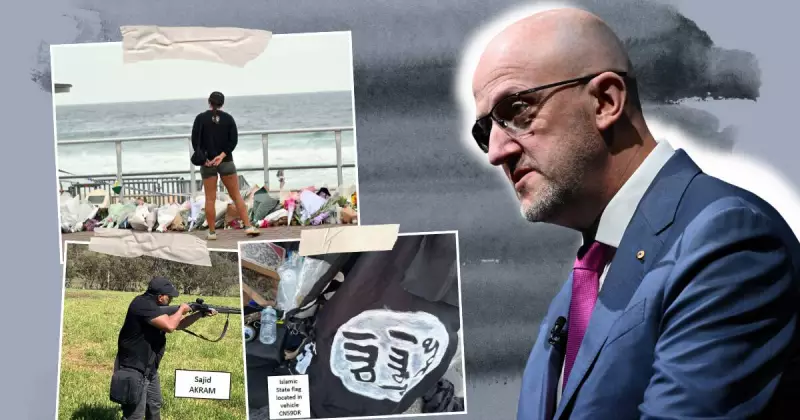
In the wake of the devastating Bondi Archer Park massacre, Australia is once again caught in a painful cycle of blame and recrimination. Politicians, media commentators, and the public are searching for answers, with scrutiny inevitably falling on the nation's domestic intelligence agency, the Australian Security Intelligence Organisation (ASIO).
The Limits of Intelligence in a Liberal Democracy
A central question being asked is whether ASIO's Director-General, Mike Burgess, and his organisation could have identified the attackers before the violence unfolded. The uncomfortable yet critical reality is that ASIO operates within strict legal boundaries designed to protect civil liberties.
Australia's security agencies are bound by legislation that permits surveillance only when specific thresholds are met, such as evidence of politically or ideologically motivated violence, espionage, foreign interference, or terrorism. Any significant expansion of ASIO's domestic monitoring powers would trigger profound legal, ethical, and political debates, likely facing strong public opposition once the implications for privacy and due process were fully understood.

A particularly difficult challenge is the "lone actor" – an individual with no formal ties to extremist networks, who does not explicitly signal their ideology, and whose behaviour does not cross the legal threshold for intervention. Such persons can remain entirely off the radar of intelligence agencies.
The Overlooked Threat: Sociologically Motivated Violence
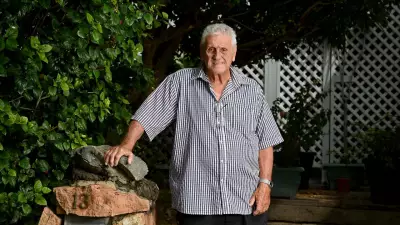
Professor Clive Williams, a former director of security intelligence within Defence, highlights a factor often missing from public discourse: not all mass-casualty violence is ideologically driven. Many perpetrators are profoundly socially isolated, psychologically damaged, or chronically unwell.
These individuals are not terrorists in the conventional sense. Instead, they are often motivated by personal grievance, deep alienation, paranoia, or emotional collapse. Decades of de-institutionalisation, while well-intentioned, have left a significant number of severely mentally unwell people in the community without adequate, long-term care or proactive intervention systems.
This creates a dangerous structural gap. Security agencies like ASIO often cannot legally act, while health and social services remain largely reactive, stepping in only after harm has occurred. Warning signs like escalating violence, credible threats, fixation on previous attacks, or repeated police call-outs can indicate risk, but no single factor typically justifies pre-emptive detention.
Building a Coordinated Prevention Strategy
Some Australian jurisdictions, including Victoria and Queensland, along with the Australian Federal Police (AFP), have established limited behavioural threat assessment centres. Modelled on a successful UK initiative, these centres allow for strictly controlled sharing of relevant police and health information when risk thresholds are met, bridging the gap between constrained intelligence agencies and reactive health systems.
The most contentious question is what to do with individuals assessed as posing a serious risk. Williams argues for secure therapeutic facilities—medical, not penal—for those who are dangerously unwell, with legal safeguards and a focus on treatment. Political reluctance to fund such options has created a false choice between full liberty and prison, ignoring a humane middle ground.
While predicting intent is hard, restricting capability is more achievable. Australia must continue to strengthen world-leading controls on firearms and explosive precursors, combat trafficking, and address emerging risks like 3D-printed weapons and the potential weaponisation of commercially available drones through forward-looking regulation.
The most effective path forward, according to Williams, is a differentiated but coordinated strategy. For terrorism, focus must remain on intelligence-led disruption of networks. For sociologically motivated individuals, the emphasis must shift to health- and behaviour-based early identification, enabling interventions like mandatory treatment or supervised care before violence occurs.

Addressing both threats within a coherent national framework, with strong safeguards, offers the best hope of preventing future tragedies on Australian soil.