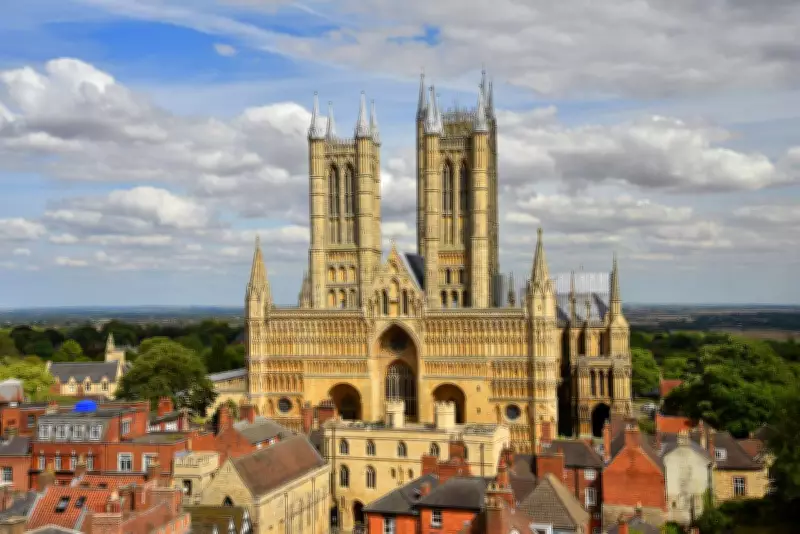
Lincoln: A Historical Treasure Trove Worth Exploring
It feels almost unjust to call Lincoln a hidden gem, given its profound history and heritage that surpass many of England's more famous cities. Yet, this East Midlands destination remains off the radar for most Australian tourists, which is a shame as it consistently enchants and surprises first-time visitors, including myself. Nestled in a picturesque region, Lincoln is easily accessible, offering a journey through scenic countryside steeped in pastoral beauty and wartime legacy.
Lincoln Cathedral: A Gothic Masterpiece
Dominating the city skyline, Lincoln Cathedral stands as one of Europe's great Gothic architectural wonders. Initiated by the Normans in 1072 and expanded over centuries, it held the title of the world's tallest building from 1311 to 1549, even surpassing the Great Pyramid of Giza. While its scale and splendor are awe-inspiring on their own, official tours are highly recommended. These tours delve into the cathedral's captivating history, detailing how fires, earthquakes, and plagues have left their mark. Guides explain the symbolism in stained-glass windows and intricate stone carvings, including the famous "Imp," a half-human, half-animal grotesque that has become a city emblem, seen on local shops and at Lincoln City FC's home ground.
Lincoln Castle: A Fortress of History
Commissioned by William the Conqueror in 1068, Lincoln Castle capitalizes on a hilltop site previously used by the Romans. It houses one of the four original Magna Carta documents from 1215, a landmark in legal history. Over time, the castle evolved into a center for crime and punishment during the Georgian and Victorian eras, and today, it still serves justice with Lincoln's crown court located in a Gothic revival building. A highlight for visitors is walking the elevated walls, which offer breathtaking views of the city and surrounding countryside, encouraging exploration of areas like the Lincolnshire Wolds National Landscape, an Area of Outstanding Natural Beauty since 1973.

Strolls and Pub Crawls: Immersing in Local Charm
Just steps from the castle and cathedral, Lincoln's postcard-pretty streets beckon with eateries, pubs, and shops. Steep Hill, with gradients of 14 to 20 percent, connects the upper and lower parts of the city, challenging walkers but rewarding them with benches, storefronts, and cozy tearooms. This leads to Castle Square and Bailgate, the main thoroughfare of Uphill Lincoln, stretching from a Tudor-style visitor center to the ancient Newport Arch. This district is perfect for a pub crawl, featuring historic spots like the Wig & Mitre and Magna Carta, with the Lincoln Ale Trail map offering 24 potential stops.
Brayford Pool: England's Oldest Inland Harbour
Downhill Lincoln offers its own attractions, including Brayford Pool, claimed as England's oldest inland harbour, used since Roman times. Revived during the Industrial Revolution, it now hosts pleasure cruises and is flanked by the University of Lincoln's campus, featuring converted Victorian buildings like the Engine Shed, a venue for live music. Nearby, Stokes café on a bridge over the River Witham is a popular spot for coffee and tea in a 16th-century setting.
Cornhill Quarter: A Revitalized Hub
On the other side of the high street, the Cornhill Quarter showcases spruced-up 19th-century buildings, including an old corn exchange with independent vendors. It's part of Hidden Food Tours' Lincoln itinerary, a three-hour guided walk highlighting local flavors such as Lincolnshire sausages and fish and chips at the historic Sign of The Fish. Tours run monthly, with private options available.
To plan a trip, resources like Visit Lincolnshire and Visit Britain provide valuable information, while accommodations like the White Hart Hotel offer central stays. Lincoln is well-connected by train from cities like London, Sheffield, and Nottingham, making it an accessible and unforgettable destination for history buffs and casual travelers alike.