Aussie Mum's Bali Henna Warning: Daughter Scarred by Popular Beach Tattoo
Bali Henna Tattoo Leaves Aussie Girl Scarred, Mum Warns

Aussie Mum's Bali Henna Warning: Daughter Scarred by Popular Beach Tattoo

An Australian mother has issued an urgent and strong warning to travellers visiting Bali after a popular tourist activity left her daughter's skin severely scarred. The incident occurred during a family trip to the Indonesian holiday hotspot, where the daughter received a leaf-inspired henna design on her left hand and forearm.

Nightmare Reaction Emerges After Week

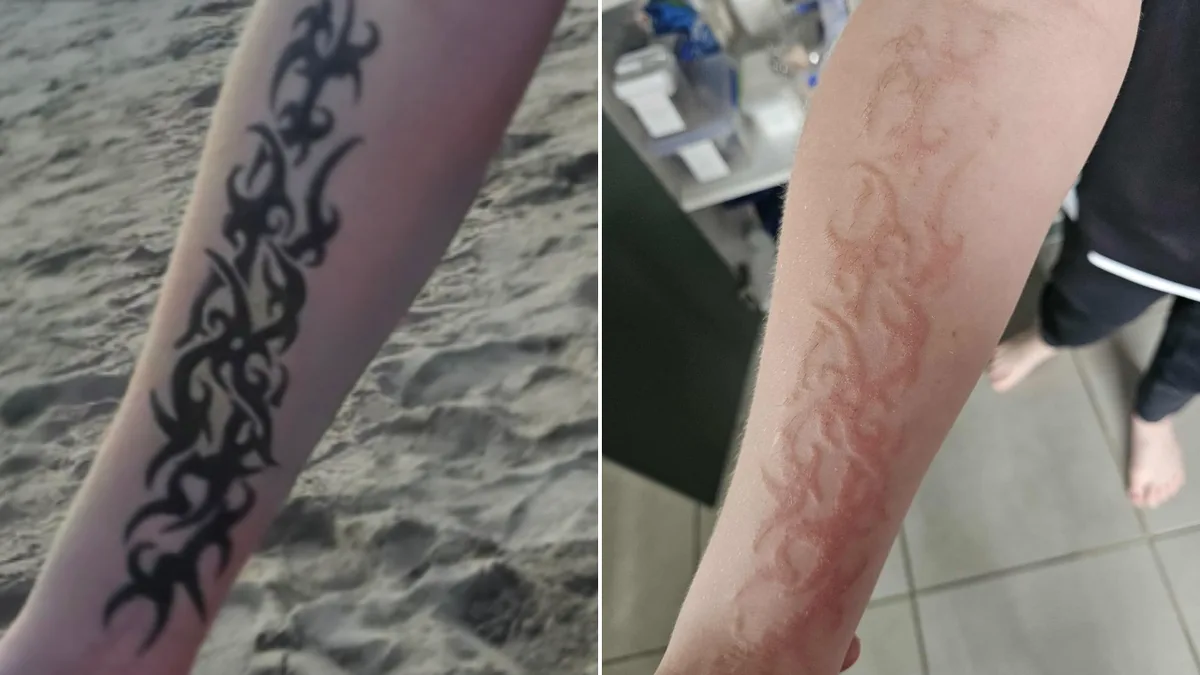
The mother shared before and after images of her daughter's henna tattoo on the Australian Bali Info for Travellers social media group, revealing the temporary art was done on a beach on the tourist island. She explained that an allergic reaction didn't appear for an entire week after application.

"The dye had almost completely faded when a very angry, red reaction that left stinging and itchy welts appeared," the concerned mother wrote in her public warning. The daughter developed red, scabby skin where the design once was, requiring medical attention upon returning to Australia.

Wide Pickt banner — collaborative shopping lists app for Telegram, phone mockup with grocery list

Medical Treatment and Permanent Concerns

After seeking medical treatment in Australia, the daughter was prescribed topical steroids and is now slowly recovering. However, her mother expressed serious concerns about potential permanent damage from the experience.

"There is a concern that this will leave a long lasting or even permanent scar on her hand," the mother stated about the ordeal. She added regretfully, "We talked about not buying knockoff perfumes and makeup because we don't know what is in them but clearly I should have added temporary tattoos and henna to the list!"

Not an Isolated Incident

This alarming case follows a similar warning from a New Zealand traveller in October about a henna tattoo her 10-year-old son received at Kuta Beach. The young boy similarly suffered a nasty reaction, with the temporary tattoo only starting to scab after a week of oral and topical antibiotics.

Countless Australian tourists have joined these concerned parents in recounting their allergic reactions to henna art done at popular Balinese beaches. One Aussie commented, "Happened to a friend of mine... took two years to fully heal," while another revealed, "I had this as a kid, I'm still allergic to henna and dyes and I'm 32."

A third commenter emphasized this is not unusual, stating, "These reactions have been happening in Bali for years."

The Dangerous Chemistry Behind Black Henna

The core factor behind the spike in tourist reactions to temporary tattoos relates directly to the chemicals used in the dye. Traditional henna typically appears rusty orange in colour, but black henna - which is unfortunately more common on Balinese beaches - poses far greater risks.

Black henna contains chemicals not found in traditional ink, most notably the controversial paraphenylenediamine (PPD). PPD is an amine compound used to achieve dark colourings, most commonly in black hair dye and boot polish.

The West Australian Department of Health confirms that it is illegal to use PPD on a client's skin in Australia, but notes it is more likely to be used in some overseas holiday destinations like Bali. Reactions from the chemical can appear within 14 days of skin contact, causing red welts and severe skin irritation.

Long-Term Consequences and Official Warnings

UK-based dermatologist Dr Emma Meredith warned that while initial henna reactions may subside in weeks, the side effects from a PPD reaction can last a lifetime. "Not only can black henna trigger extremely painful damage to skin, they may also result in life-long allergy to hair dyes," she told the British Skin Foundation.

Dr Meredith emphasized, "I want to warn of these dangers, as what may seem to be harmless fun could have serious long-term consequences." In Australia, PPD is solely authorised for use in hair dyes with strict concentration rules and packaging that requires warnings about patch testing before application.

The Australian Department of Foreign Affairs and Trade specifically advises travellers to avoid temporary black henna tattoos while in Indonesia, highlighting the significant health risks associated with these popular tourist souvenirs.

Pickt after-article banner — collaborative shopping lists app with family illustration