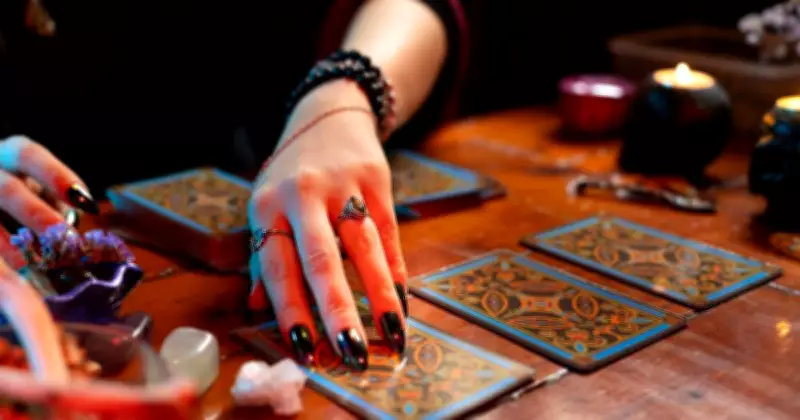
The Spiritual Side of Tarot and How Readers Interpret Them
Tarot has experienced a renewed surge in interest in recent years, particularly alongside broader curiosity about spirituality, mindfulness, and personal growth. While some associate it with modern "New Age" ideas, Tarot's origins can be traced back to 15th-century Italy, where it began as a card game before gradually evolving into a symbolic tool for reflection and interpretation.
The Spiritual Dimensions of Tarot
Although Tarot was initially used for entertainment, its rich imagery and layered symbolism eventually attracted interest from those exploring mysticism and philosophy. Many people today view Tarot less as a tool for predicting fixed outcomes and more as a framework for interpreting patterns, emotions, and life experiences.
Rather than possessing inherent "powers," Tarot cards can act as prompts for reflection. The imagery found in both the Major and Minor Arcana often resonates with universal human themes - change, uncertainty, growth, loss, and renewal. When used thoughtfully, Tarot can support meditation, journaling, and self-inquiry.

There are now countless Tarot decks available, each with its own artistic style and symbolic emphasis. Well-known examples include the Rider-Waite deck and the Thoth deck, alongside more contemporary designs such as the Everyday Witch Tarot or the Wildwood Tarot. Choosing a deck that resonates personally can enhance the experience, as visual connection often plays a key role in interpretation.
Interpreting Tarot in a Spiritual Context
When approaching Tarot from a spiritual perspective, interpretation tends to focus less on concrete predictions and more on personal meaning. A card like the Five of Pentacles, for example, might traditionally suggest hardship or lack. In a reflective or spiritual reading, it could instead point to feelings of disconnection, emotional resilience, or the need for support.
Developing familiarity with a Tarot deck is an important part of this process. Many practitioners recommend spending time with the cards - studying their imagery, reflecting on their meanings, and observing how interpretations evolve over time. This builds intuition and confidence, allowing readings to feel more natural and insightful.
Spiritual Tarot readings are often used as a tool for gaining perspective. They can encourage individuals to pause, reflect, and consider different angles on a situation. Rather than offering definitive answers, Tarot can help surface questions that lead to deeper understanding.
Maintaining an open and grounded mindset is key. Whether one views Tarot as symbolic, psychological, or spiritual, its value often lies in the meaning the reader brings to the experience.
A Practical Example: The Fool
To better understand how Tarot can be interpreted spiritually, consider The Fool - often numbered as 0 in the Major Arcana.
The card typically depicts a carefree figure standing at the edge of a cliff, accompanied by a small dog, with a bright and open landscape ahead. Traditionally, The Fool represents beginnings, openness, and the willingness to step into the unknown.
From a reflective perspective, The Fool can symbolise trust - not blind faith, but a readiness to embrace new experiences despite uncertainty. It may suggest a moment in life where curiosity and courage are more valuable than over-analysis.
The presence of the dog is sometimes interpreted as instinct or intuition - a reminder to stay aware and grounded while moving forward. Rather than a literal sign or omen, this imagery can serve as a metaphor for inner guidance.
When The Fool appears in a reading, it often invites the individual to consider where they might benefit from taking a fresh approach, letting go of fear, or reconnecting with a sense of possibility.
Tarot as a Reflective Practice
Tarot can also be incorporated into personal routines as a reflective tool. Some people use a single daily card as a prompt for journaling, while others create quiet rituals that encourage focus and intention.

For example, placing a card somewhere visible and returning to it throughout the day can act as a reminder of a chosen mindset - such as openness, patience, or self-trust. Lighting a candle or setting aside time for reflection can further reinforce this practice, though these elements are best understood as personal rituals rather than mechanisms that influence external outcomes.
The effectiveness of Tarot in this context comes not from the cards themselves, but from the attention and meaning given to them. By engaging regularly, individuals may find that Tarot helps them slow down, notice patterns, and approach challenges with greater clarity.
A Balanced Perspective
While Tarot is often associated with spirituality, it can also be approached in a grounded and practical way. Many modern users see it as a tool for self-reflection rather than a system of fixed beliefs.
Whether used for insight, creativity, or personal development, Tarot offers a flexible framework that adapts to the individual. Its enduring appeal lies in its ability to combine symbolism, storytelling, and introspection into a single, accessible practice.
Ultimately, the value of Tarot depends on how it is used - not as a source of absolute answers, but as a guide for asking better questions and exploring one's own perspective more deeply.