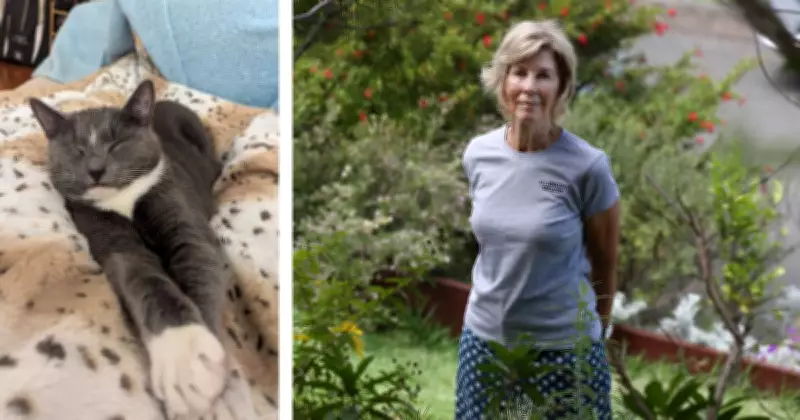
In a significant move to enhance animal welfare and environmental conservation, experts are issuing a strong recommendation for pet cat owners to keep their feline companions indoors. This advice aims to safeguard cats from various outdoor hazards while simultaneously protecting vulnerable native wildlife populations.
Primary Safety Concerns for Outdoor Cats
Allowing cats to roam freely outdoors exposes them to numerous dangers that can compromise their health and longevity. Traffic accidents pose a severe risk, with many cats injured or killed on roads each year. Additionally, outdoor cats face threats from predators, aggressive dogs, and malicious human activities.
Health Risks and Disease Prevention
Veterinary professionals emphasize that indoor cats experience significantly lower rates of infectious diseases, parasites, and injuries. By keeping cats inside, owners can prevent exposure to feline immunodeficiency virus (FIV), feline leukemia virus (FeLV), and various parasitic infections. This containment approach also reduces the likelihood of cats ingesting toxic substances or encountering poisonous plants.

Environmental Impact and Wildlife Conservation
Beyond individual cat safety, the indoor cat movement addresses critical environmental concerns. Free-roaming domestic cats contribute substantially to wildlife predation, particularly affecting native bird species, small mammals, and reptiles. Conservationists report that pet cats kill millions of native animals annually, threatening biodiversity and ecosystem balance.
Implementing Effective Indoor Solutions
For concerned cat owners, creating stimulating indoor environments proves essential for feline wellbeing. Experts recommend:
- Providing multiple scratching posts and climbing structures
- Offering interactive toys and puzzle feeders
- Establishing secure outdoor enclosures or 'catios'
- Implementing regular play sessions and environmental enrichment
These measures help satisfy cats' natural instincts while maintaining their safety indoors.
Community Benefits and Responsible Ownership
Keeping cats indoors generates broader community advantages, including reduced nuisance behaviors such as spraying, fighting, and nighttime vocalizations. Responsible cat containment also minimizes conflicts with neighbors and decreases the burden on animal shelters and rescue organizations.
Local councils and animal welfare groups increasingly advocate for containment policies, with some municipalities implementing cat curfews or containment requirements. These measures demonstrate growing recognition of the dual benefits for both domestic animals and native wildlife.
Transition Strategies for Outdoor Cats
For cats accustomed to outdoor access, gradual transition approaches prove most effective. Recommendations include:
- Initially limiting outdoor time to supervised sessions
- Creating engaging indoor alternatives before restricting access
- Using pheromone diffusers to reduce stress during transition
- Consulting with veterinarians about behavior modification techniques
With patience and proper planning, most cats successfully adapt to indoor lifestyles while enjoying improved safety and health outcomes.
The collective effort to keep cats indoors represents a proactive approach to animal welfare that benefits individual pets, local communities, and Australia's unique natural environment. As awareness grows, this practice continues gaining momentum as a standard of responsible pet ownership nationwide.