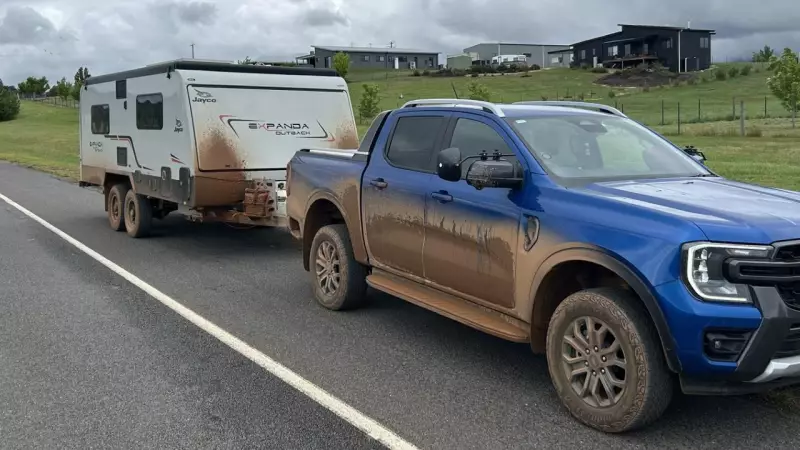
In an era where glamping tents and high-tech caravans offer every conceivable comfort, the fundamental essence of camping in Australia has stubbornly refused to evolve. Despite the shift from simple canvas to luxurious mobile homes, the core desire driving millions outdoors each year remains unchanged: a profound need for connection and simplicity.
The Unchanging Core of the Camping Experience
The article from the Geelong Advertiser's opinion section argues persuasively that while the equipment has transformed dramatically, the heart of the camping experience beats to the same rhythm it always has. The author reflects on a personal history of camping, from childhood trips in basic tents to contemporary adventures with more gear. The central thesis is powerful: camping is not about the stuff you bring, but about what you leave behind.
It's about disconnecting from the relentless pace of digital life, the constant notifications, and the pressures of modern work. The goal is to reconnect with something more fundamental – family, friends, nature, and a slower, more mindful way of being. Whether you're sleeping on a thin mat in a hiking tent or on a queen-sized mattress in a fully appointed caravan, that transformative goal is identical.

From Swags to Splendour: The Evolution of Gear
The piece traces the journey of camping equipment in Australia. It recalls the days of heavy canvas tents, poles that seemed to have a mind of their own, and the iconic Aussie swag. Today, the market is flooded with options: lightweight hiking tents made from space-age materials, pop-up caravans, and massive motorhomes complete with satellite TV and espresso machines.
This evolution speaks to a broader trend in Australian tourism and lifestyle. The caravan and camping industry has boomed, especially post-pandemic, as people seek domestic travel options that offer freedom and control. Manufacturers cater to every whim, blending outdoor adventure with home comfort. Yet, as the article notes, even the most luxurious rig is ultimately just a vehicle to achieve the same old-fashioned outcome: a night under the stars, a campfire conversation, and the sound of the bush.
Why We Keep Coming Back to Nature
The enduring popularity of camping, in all its forms, highlights a deep-seated human need. The article suggests it's a form of reset, a way to strip back life's complexities. It's in the simple, shared tasks – gathering firewood, cooking a meal together, figuring out how to put up a shelter – that bonds are strengthened and memories are forged.
This ritual is timeless. The challenges, whether it's a sudden downpour soaking your gear or the triumph of a perfectly toasted marshmallow, become the stories that are retold for years. The author posits that this is the true, unaltered heart of camping: the shared experience and the stories that emerge from it. The gear simply provides the setting, whether humble or extravagant.
For many Australian families, camping is a rite of passage. It's often the first type of holiday children experience, teaching resilience, resourcefulness, and an appreciation for the natural world. This cultural tradition continues to be passed down, proving that the call of the campfire is as strong as ever.
The Future of Getting Away
So, what does this mean for the future of outdoor adventure in Australia? The market will undoubtedly continue to innovate, offering ever more comfortable and convenient ways to 'rough it'. However, the article concludes that the industry's success hinges on understanding it's not selling a product, but facilitating a feeling.
Parks and campgrounds from the coast to the outback will remain vital communal hubs. The essence – that craving for fresh air, open space, and genuine connection – is a constant in a changing world. Whether you pack a tent or a palace on wheels, you are participating in the same ancient, simple human tradition of seeking solace and joy in the great outdoors.