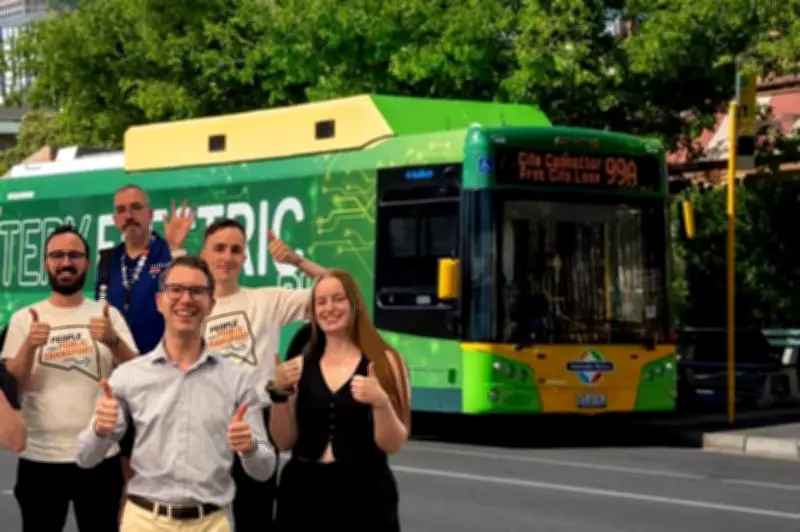
Fresh Calls for Extension of Unreliable Free City Bus Service Hours
Community advocates and local residents have issued renewed demands for the extension of operating hours for the city's free bus service, which has been plagued by persistent reliability issues. The service, initially launched to improve urban mobility and reduce traffic congestion, currently operates on a limited schedule that fails to accommodate the needs of evening commuters, shift workers, and late-night travelers.
Persistent Reliability Concerns
Despite its no-cost fare structure aimed at encouraging public transport use, the free city bus service has faced ongoing criticism for its unreliability, particularly during peak and off-peak hours. Reports indicate frequent delays, inconsistent arrival times, and occasional service cancellations, which have undermined public confidence in the system. Advocates argue that extending the service hours could mitigate some of these issues by providing more flexibility and reducing overcrowding on existing routes.
Impact on Accessibility and Community Needs
The current operating hours, which typically end in the early evening, have been identified as a significant barrier for individuals who rely on public transport for non-traditional work schedules or social activities. Shift workers in industries such as healthcare, hospitality, and retail often find themselves stranded without affordable transportation options after hours. Additionally, students and elderly residents have expressed frustration over the limited accessibility, which restricts their ability to participate in community events or access essential services during evenings.

Advocacy and Proposed Solutions
In response to these challenges, local advocacy groups have organized petitions and meetings with city officials to push for extended service hours, proposing a trial period to assess demand and operational feasibility. Suggestions include:
- Implementing a phased extension of hours to include late-night services on weekends.
- Enhancing real-time tracking and communication systems to improve reliability.
- Conducting public consultations to gather input from affected communities.
Proponents emphasize that investing in extended hours could lead to long-term benefits, such as reduced private vehicle use, lower carbon emissions, and improved social equity by ensuring all residents have access to affordable transport.
Economic and Logistical Considerations
While the call for extended hours has gained momentum, city authorities have cited budgetary constraints and logistical hurdles as potential obstacles. The free bus service operates under a subsidized model, and expanding hours would require additional funding for driver wages, maintenance, and fuel costs. However, advocates counter that the economic benefits, including increased patronage and reduced traffic congestion, could offset these expenses over time.
Discussions are ongoing, with stakeholders urging a collaborative approach to address both the reliability issues and the need for extended service hours. The outcome of these efforts could set a precedent for other cities grappling with similar public transport challenges.