Expect a vibrant shift towards more colour, pattern, and personality in Australian home decor this year, as the era of beige minimalism quietly fades away. The mood for 2026 is all about personal expression, character, comfort, and uniqueness, marking a departure from anything too polished or perfect.
Embracing Lived-In Homes with Warmth and Texture
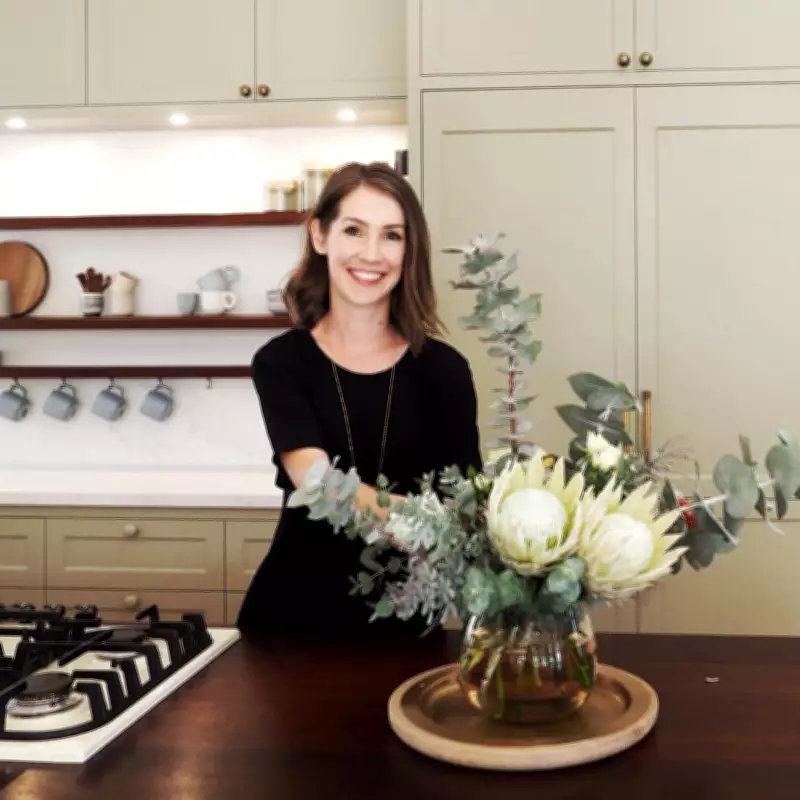
Leading Perth interior designer Rachael Pearse from Staple Design highlights that homes with warmth, texture, and meaningful décor are set to steal the spotlight in 2026. This shift, long in the making, focuses on creating spaces that feel genuinely lived-in and loved, moving away from decades of bland minimalism.
Pearse anticipates more layered and personality-filled homes over the next twelve months, as people embrace interiors that reflect real life. Think of spaces that appear pieced together over many years, feeling rich and full, and showcasing a life well lived.

"In 2026 homeowners can expect to see interiors that blend elements of the past and the future, embrace imperfection and patina, and celebrate personality over perfection," Pearse adds.
Interior designer Brooke Shakibaee from White Studio Co agrees, noting a push towards sophistication, quality, and permanence. "There’s an ongoing move away from disposable design, with antiques and lived pieces grounding spaces and adding character, which we incorporate in projects frequently," Shakibaee explains.
Six Key Interior Design Trends for 2026
Rich Tones and Colour Drenching
While neutral rooms will always have their place, Pearse predicts colour will be used more confidently in homes this year to personalise spaces and set the mood. Warm, rich, and grounding tones such as browns, rusts, greens, and earthy hues like mustard yellow and burnt orange will be especially prominent.
Colour drenching, involving painting walls, ceiling, skirting boards, doors, and architraves in one continuous colour, will also be significant. This method creates a cohesive, immersive effect, making rooms feel larger and brighter or cosy and cocooning.
"The outcome is highly dependent on the colour chosen, so it’s essential to understand the atmosphere you want to create before fully committing to this approach," Pearse advises.
Pattern Play and Decorative Detailing
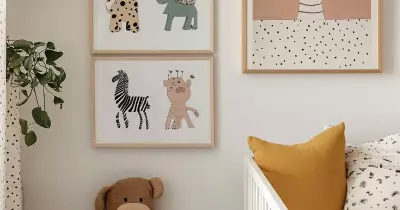
2026 is not about playing it safe. Designers are fearlessly styling different patterns together to create vibrant spaces with added interest. Pattern on pattern, or pattern play, layers multiple prints of varying scale and type, such as geometric, floral, and animal patterns, within a single space.
When thoughtfully combined, these patterns create depth, movement, and visual intrigue. Pearse anticipates decorative details like wallpaper, trims, pleats, fringing, tassels, and hand-crafted elements will also gain momentum, bringing a strong sense of authenticity and character.
Embrace Darker Toned Wood
Scandi-style interiors with lighter toned woods dominated the past decade, but this year darker toned woods like walnut and deep chocolate are making a comeback. These richer finishes introduce depth, warmth, and sophistication to a space, adding character and visual weight.
Shakibaee notes Art Deco influences are creeping back through geometry, softened curves, and elegant symmetry, paired beautifully with dark timbers used across floors, joinery, and cabinetry. Lighter tones still have their place but as part of a more layered approach with multiple wood tones.
Furnishing with Antiques and Retro Pieces
The renewed love for darker woods coincides with a surge in popularity for antiques and vintage pieces. There’s a real appetite for items with history, whether collected, inherited, or refurbished. Vintage furniture creates warm and inviting spaces while adding personality and character.
Interiors in 2026 are being layered with different furniture styles to create eclectic or maximalist spaces. Mixing old and new, like an antique timber desk with contemporary cabinetry, creates interiors that feel collected over time, rich with story and intention.

Silver Accents
Chrome is having a renaissance, with a resurgence in chrome, silver, and stainless steel in interiors. Pearse sees interior designers specifying stainless steel benchtops more in kitchen design, a practical choice for high-traffic areas that works beautifully with warmer toned timbers or paint colours.
Touches of silver and chrome are also emerging in furniture, lighting, and decorative elements. This trend can be embraced boldly or introduced subtly, and brass and warmer metal tones aren’t going anywhere, allowing for thoughtful mixing of metals.
Curved and Organic Shapes with Natural Materials
Pearse predicts organic curves and shapes inspired by nature, along with natural materials, will continue to dominate across all design categories this year. A growing sense of playfulness and creativity is expressed through sculptural, fluid forms.
For example, kitchen islands have evolved from rigid rectangles to more organically shaped and sculptural forms. When paired with natural materials like marble or hand-applied finishes, the result is expressive, enduring, and inherently difficult to replicate, adding lasting value and individuality.