Deep chocolate leather jackets, rosy-brown lips, espresso-shaded rugs, and walnut coffee tables are becoming increasingly common sights across Australian households. Brown has steadily infiltrated every element of our domestic lives, and according to new industry data, this rich, earthy trend is going nowhere anytime soon.
A Clear Shift Toward Warmer, More Expressive Interiors
Aussie homewares retailer Temple & Webster this week unveiled its comprehensive 2026 Trend Report, revealing what Australians are actually purchasing for their homes this year. The data points to a definitive shift toward warmer colour palettes, rich tactile textures, and highly expressive interior spaces.
Think sun-drenched schemes with searches for caramel, clay, and terracotta hues surging by sixty-four per cent. There is also a marked desire to incorporate deeper cocoa shades and metallic chrome accents into living spaces. Notably, searches for brown rugs have skyrocketed by a staggering one hundred and eighty per cent, while interest in chocolate-coloured sofas and chairs has risen by one hundred and sixty-five per cent.

"At Temple & Webster, we're seeing Aussies move away from purely aesthetic trends and towards homes that feel lived-in, expressive, and emotionally resonant," explained Lucy Sutherland, Director of Insights & Trends at the company. "Design is no longer about precision; it's about connection, and the trends we have identified demonstrate that fundamental change."
The Three Key Trends Defining Australian Homes
So, what are the three distinct design movements shaping Australian interiors, and how can you incorporate elements of them into your own home?
Sundrenched: Capturing Australia's Golden Hour
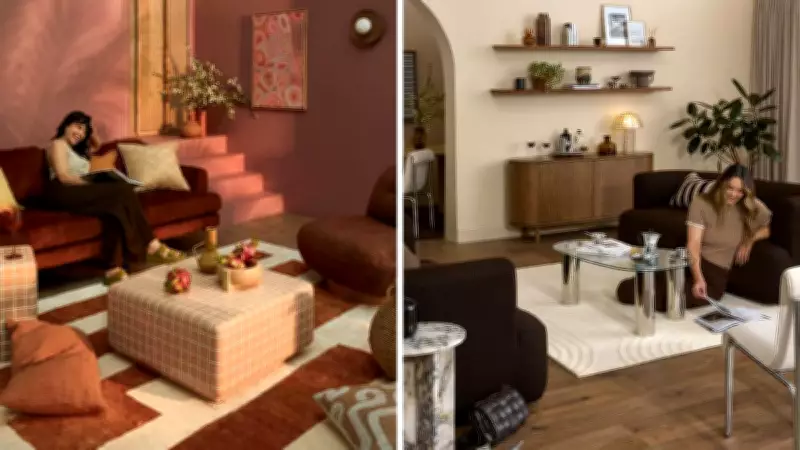
The Sundrenched trend captures the enduring appeal of Australia's iconic "golden hour," with interiors bathed in warm, earthy tones of clay, blush, mustard, and terracotta. This palette deliberately blurs the boundaries between indoor and outdoor living.
This restorative aesthetic reflects a growing collective desire for calm and emotional grounding. Sales of furniture and homewares in caramel, clay, rust, and terracotta have jumped by sixty-four per cent. Natural textures that mimic the Australian landscape—such as plaster, travertine, linen, and woven fibres—further reinforce this shift toward slower, more sensory design principles.
Eclectic Era: Celebrating the Art of Collecting
The second major trend identified is the Eclectic Era. This movement celebrates collecting as an art form, embracing layered interiors filled with unique pieces that each tell a personal story.
Imagine vintage finds sitting effortlessly alongside contemporary design, resulting in spaces that feel thoughtfully curated rather than overtly "styled." As individuality takes centre stage, Temple & Webster's trend team has noted searches for items like "shelves" have surged by twenty-one per cent. Furthermore, sixty-seven per cent of Australians believe meaningful objects are what truly give a home its soul, underscoring the powerful emotional pull of this expressive trend.
Cocoa & Chrome: Moody Palettes and Quiet Glamour
For those drawn to moodier, more refined palettes, Cocoa & Chrome introduces a quiet sense of glamour. Rich tones of cocoa, caramel, and espresso are softened by plush upholstery and elegantly elevated with chrome, polished steel, and smoked glass accents.
The data supporting this trend is compelling. Searches for "brown rug" have increased by one hundred and eighty per cent, while interest in chocolate sofas and chairs has risen by one hundred and sixty-five per cent. This reflects a renewed appetite for warmth, depth, and a touch of indulgence in the home. The trend speaks to a desire for spaces that feel luxurious—not through excess, but through thoughtful texture, tactility, and atmospheric depth.
"These trends reflect how Australians are re-defining what 'good design' means," Lucy Sutherland concluded. "It's about creating homes that support how we live now; spaces that feel comforting, expressive, and genuinely personal. Luxury today is intrinsically linked to how a space makes you feel."

The movement toward brown and warmer tones signifies a deeper cultural shift. Australian homeowners are prioritising emotional resonance and personal connection over fleeting stylistic fads, crafting interiors that are as comforting as they are beautiful.