Western Australia Mourns the Loss of Medical Pioneer Professor Bryant Stokes
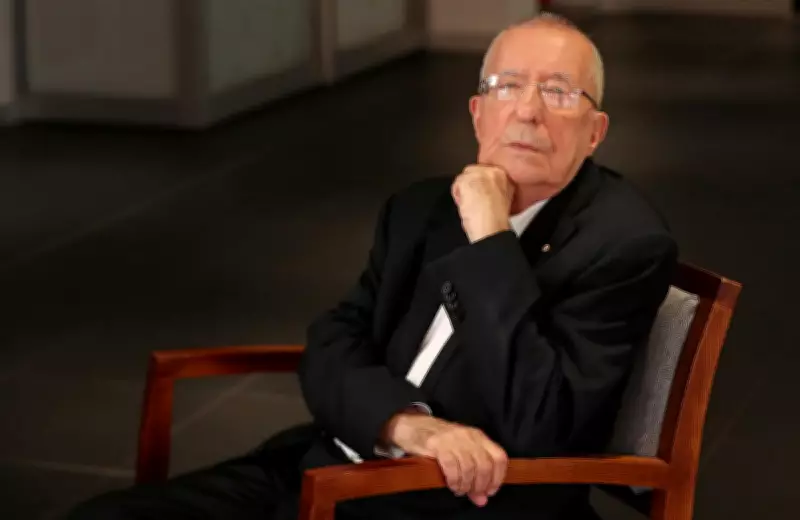
The Western Australian medical community is in mourning following the death of pioneering neurosurgeon and respected health leader Professor Bryant Stokes AO, who passed away at the age of 89. Known affectionately as BARS, derived from his full name Bryant Allen Rigbye Stokes, he leaves behind an extraordinary legacy spanning six decades of medical advancement and healthcare reform.
A Distinguished Career in Medicine and Public Service
Born in Perth in 1937, Professor Stokes embarked on his medical journey at the University of Western Australia, graduating in 1959. He subsequently pursued specialised training in neurosurgery both interstate and overseas during a period when the field demanded exceptional precision and courage. His admission to Fellowship of the Royal Australasian College of Surgeons in 1965 marked the beginning of a remarkable career.
Professor Stokes quickly established himself as one of Western Australia's foremost neurosurgeons, renowned not only for his formidable surgical skills but also for his deep empathy towards patients. Colleagues remember him as a clinician who balanced brilliance with humility, consistently working to strengthen the healthcare systems around him.

Expanding Influence Beyond the Operating Theatre
Over subsequent decades, Professor Stokes's impact extended far beyond surgical suites. He served as Western Australia's Chief Medical Officer, acted as both Commissioner of Health and Director-General of Health, and chaired numerous hospital boards. In 1982, he was elected president of the Australian Medical Association WA, which later admitted him to the Roll of Fellows and recognised him as one of three founding fathers of the Clinical Training and Evaluation Centre.
The Australian Medical Association released a statement praising Professor Stokes as "a man of principle and compassion, a man who treated all patients as if they were his own family, and a man who made things happen."
Trusted Advisor and Health System Reformer
Politicians across party lines came to value Professor Stokes's reputation for providing frank and fearless advice. He was regularly commissioned to conduct high-level inquiries and reviews into hospital care, governance, and clinical standards, often under intense public scrutiny.
Former WA Premier Colin Barnett exemplified the trust placed in Professor Stokes when he declared, "The Government unreservedly accepts and will implement Professor Stokes's recommendations" following a 2013 inquiry into the Peel Health Campus. This confidence was shared by multiple generations of parliamentarians, with each of his reports containing practical recommendations that led to lasting improvements in patient safety and service delivery.
Premier's Tribute and National Recognition
Premier Roger Cook paid tribute to Professor Stokes as "one of the great towering figures of Western Australian medicine," reflecting on his extraordinary contributions to both clinical practice and public life. "Professor Stokes was not just a brilliant surgeon and administrator, he was a wise, kind, and principled man who dedicated his life to improving health care for all Western Australians," Mr Cook stated. "His knowledge, compassion, and commitment to public service improved health outcomes for generations, and his legacy will continue to benefit our State for years to come."
In 2020, Professor Stokes was appointed an Officer of the Order of Australia in recognition of his distinguished service to public healthcare governance and standards in Western Australia through both leadership and advisory roles. Characteristically, he accepted this honour with his trademark modesty and humility.
Mental Health Advocacy and Pandemic Leadership
Professor Stokes's influence extended significantly into mental health advocacy, where he was a strong proponent well before psychological wellbeing became mainstream. During the COVID-19 pandemic, he emerged as a prominent voice for reform, warning about the growing psychological toll of the crisis and urging governments to strengthen mental health support systems.

Mentoring Future Medical Professionals
Beyond his public roles, Professor Stokes profoundly impacted generations of medical professionals. As a dedicated teacher and mentor, he trained hundreds of young doctors and surgeons at the University of Western Australia and across the state's hospital network.
Former AMA WA head Andrew Miller reflected on Professor Stokes's unique position in medical history: "He was one of the last great bridges between a time when surgeons ruled like swashbuckling hospital princes and the current policy heavy managerial mess. He was always imperious and could be terrifying in his anger. He made and ended careers, based on his view of a junior doctor's potential. To have the approval of BARS was extremely valuable for any young doctor, but essential for anyone who had designs on the coveted title of neurosurgeon."
Continued Contributions and Personal Generosity
Even after reducing his clinical workload, Professor Stokes continued contributing to Western Australia's medical and legal sectors. He provided expert advice on complex cases and investigations well into his eighties, completing his final professional work just last year.
Former Federal AMA president Rosanna Capolingua highlighted a lesser-known aspect of his character: "Little known is his generosity. He gave away everything he earned to fund scholarships, research projects, neurosciences and countless other charities."
Professor Stokes's influence on Western Australian health policy remains deeply embedded in the system he helped build, from enhanced safety protocols in hospitals to stronger oversight of mental health and aged-care services. As one colleague poignantly observed, he served as "a compass for doing the right thing, even when it was hard."