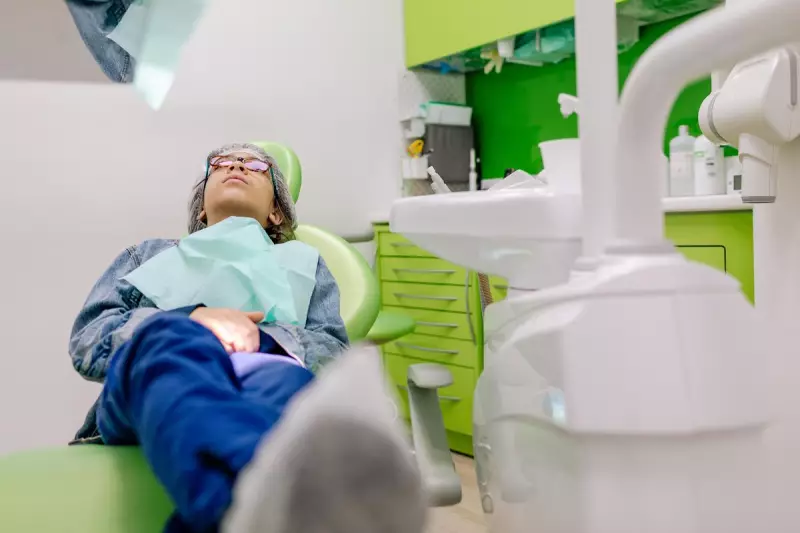
Patients undergoing dental procedures under sedation in Western Australia have been left vulnerable by a two-decade failure to enforce critical safety laws, an exclusive investigation reveals.
A Regulatory Vacuum Spanning Decades
Successive state governments have not applied laws designed to safeguard dental patients during sedation for more than 20 years. This has created a two-tier health system where medical patients receiving sedation are protected by rigorous licensing standards, while dental patients are not.
The WA Government has long claimed a ministerial exemption from 2005 allows dental clinics to operate outside the licensing regime mandated for other medical facilities. However, this defence collapses under legal scrutiny. The current Private Hospitals and Health Services Act requires all premises using sedation to be licensed and meet strict standards for management, staffing, inspection, and life-saving equipment.

It can now be revealed that the 2005 exemption, granted by then-health minister Jim McGinty via a letter to the Australian Dental Association, was superseded just months later by legal changes. These changes should have brought dental clinics under the Act, but the statutory requirements were never enforced, leaving a dangerous regulatory gap.
Experts Condemn "Unregulated Sedation"
Prominent anaesthetist and Australian Medical Association director, Dr Andrew Miller, stated that dental surgeries performing sedation must not be tolerated as less safe than hospitals. "All patients deserve modern high standards everywhere that sedation is to be used," Dr Miller said.
"There is no such thing as safe, unregulated sedation. There is no such thing as a second chance when an innocent person is damaged because practices or facilities are not up to scratch," he added, criticising the government for "sitting on their hands for years."
Health law expert Enore Panetta, director of Panetta McGrath, told The Sunday Times the State Government's legal position is questionable. "The position that the 2005 letter remains binding... is questionable and may not withstand legal challenge," Mr Panetta said. The prolonged non-enforcement likely reflects policy choices, not a deliberate failure.
This vacuum exposes the government to legal risk. If a patient dies under sedation at an unlicensed dental clinic, the state could be liable for knowingly allowing the procedure in a substandard environment.
Soaring Demand and Patient Concerns
The issue is amplified by soaring demand for complex procedures like dental implants, driven by social media advertising on platforms like TikTok and Instagram. Some clinics promote putting patients "fully to sleep."
While dental deaths are rare, a 2017 study of 148 fatalities over 55 years found the leading cause was anaesthesia, sedation, and medication complications.
Brenda Kelly shared concerns about her husband Timothy's experience at Perth Dental Rooms in February last year. He was anaesthetised for five hours and was still deeply sedated when she arrived to collect him. "He was not making sense when I was bringing him home in the car," she said. Guidelines from the Australian and New Zealand College of Anaesthetists mandate strict monitoring during recovery, and patients should not be discharged until it is completely safe.
Ms Kelly had extra worries as her husband was flagged as potentially difficult to intubate in an emergency, a situation she believes should have moved his surgery to a licensed day hospital.
A WA Health survey found 42 clinics, mostly in Perth, perform deep sedation, but the true number is likely higher as only 96 of 1635 surveys were returned.
Government Review and Incorrect Claims
A WA Government spokesperson incorrectly claimed "no other Australian jurisdiction licenses dental practices." This is false.
- South Australia requires licensing for clinics using intravenous sedation.
- New South Wales mandates that procedures needing general anaesthetic occur in a licensed private health facility.
- Victoria regulates mobile anaesthetic services that provide sedation in dental clinics.
Queensland, like WA, does not require licensing for sedation in private facilities.

The Cook Government has confirmed it is reviewing the situation. "Work is planned for 2026 to commence the process of updating the Private Hospitals and Health Services Act 1927," a spokesperson said, noting reform would involve consultation with health and dental stakeholders.